Museums hide mummies from public view due to lack of ‘consent’ from ancient Egyptians or their descendants
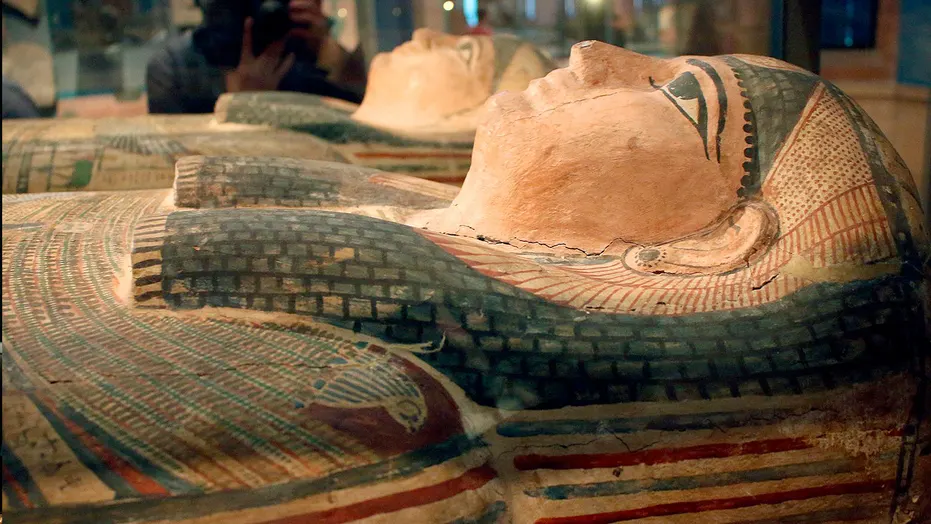
Two museums in Glasgow are changing how they display ancient Egyptian human remains, citing respect for the deceased and the absence of documented consent. The decisions reflect wider debate over museum ethics, the treatment of human remains and the return of artefacts to communities of origin.
Glasgow Life has removed the remains of Nekht, an Egyptian priest who lived more than 3,500 years ago, and his painted coffin from display. The Hunterian will keep Lady Shep-En-Hor’s decorated coffin on view but cover her mummified remains; it says it will no longer display human remains from outside the UK. The changes follow updated museum ethics guidance calling for dignity and, where possible, consultation with descendants or originating communities.
In short
- Glasgow museums are restricting displays of Egyptian human remains.
- Nekht’s remains and coffin have been removed from view.
- Lady Shep-En-Hor’s coffin stays on display, but her remains will be covered.
Steelman: both sides, in good faith
The strongest fair case each way — we don't pick a winner.
The case for
Keeping human remains out of public view can show respect for the dead, especially when there is no evidence they agreed to be displayed and their communities were not consulted. Museums can still interpret ancient Egypt through coffins and other objects while reviewing how colonial collecting shaped their holdings and seeking dialogue with communities of origin.
The case against
Public display can support education and historical understanding, helping visitors engage with ancient lives and the practices through which remains came to be studied. Museums may argue that careful, contextual presentation, alongside transparency about provenance and consultation, can honour the deceased while preserving public access to collections; removing remains may also limit scrutiny of how they were acquired.
Explained simply
Ancient Egyptians prepared some of their dead for burial by preserving their bodies and placing them in decorated coffins. Museums later acquired and displayed many such remains, often without records showing whether the people had agreed to be exhibited.
The Glasgow museums involved are Glasgow Life, which runs several city museums, and the Hunterian, part of the University of Glasgow. Their decisions sit within a wider discussion about how museums should treat human remains, consult communities connected to them and address claims for the return of cultural objects.