Neil Young made hisbest album in 1992. He spent the next 34 years resisting the urge to repeat it
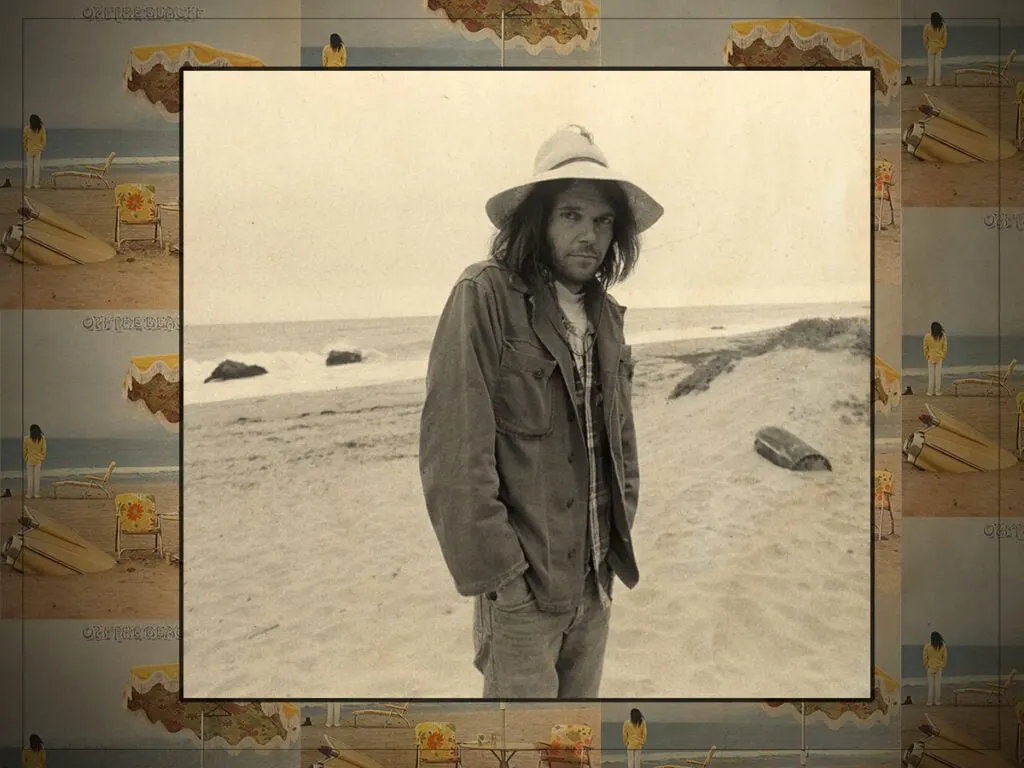
Neil Young’s *Harvest Moon* (1992) revisited the acoustic, earthy sound of his earlier work and became a commercial and critical success. Rather than repeat that approach, Young saw requests for another similar album as a reason to keep moving in new directions.
The article says Young had been recovering from tinnitus after loud work with Crazy Horse, which helped prompt the softer sound of *Harvest Moon*. He told *Rolling Stone* in 1993 that making an obvious follow-up did not feel right. It argues that his latest album, *Second Song*, fulfils fans’ hopes for another record with the depth and beauty of *Harvest Moon*, 34 years later.
In short
- *Harvest Moon* was a major success in 1992.
- Young resisted pressure to repeat its acoustic sound.
- The article presents *Second Song* as a return to that depth.
Steelman: both sides, in good faith
The strongest fair case each way — we don't pick a winner.
The case for
A close follow-up to Harvest Moon could have given listeners more of the intimate, melodic songwriting they valued, and Second Song suggests that returning to that sound need not mean simply repeating the past. Artists can revisit a successful style with new experience and make work that feels both familiar and freshly earned.
The case against
Young’s reluctance to make an obvious sequel reflects an artist’s interest in following changing instincts rather than treating past success as a formula. Repeating a beloved sound on demand could risk narrowing his creative range, while the original album’s appeal may partly depend on the circumstances and spontaneity that produced it.
Explained simply
Neil Young is a Canadian singer-songwriter whose career has moved between quiet, acoustic songs and louder rock music. He has also worked with Crazy Horse, a rock band known for its forceful sound.
Harvest Moon, released in 1992, brought him back to a gentle, earthy style and was well received. Young had been recovering from tinnitus, a condition that can cause ringing or other sounds in the ears, after working with loud music.
The album led some listeners to hope he would make more music in the same vein. Young has said that repeating a successful approach did not feel right, and his career since then has taken many different directions.