‘14th’ movie review: an amateurish, AI-driven documentary does a disservice to its cause
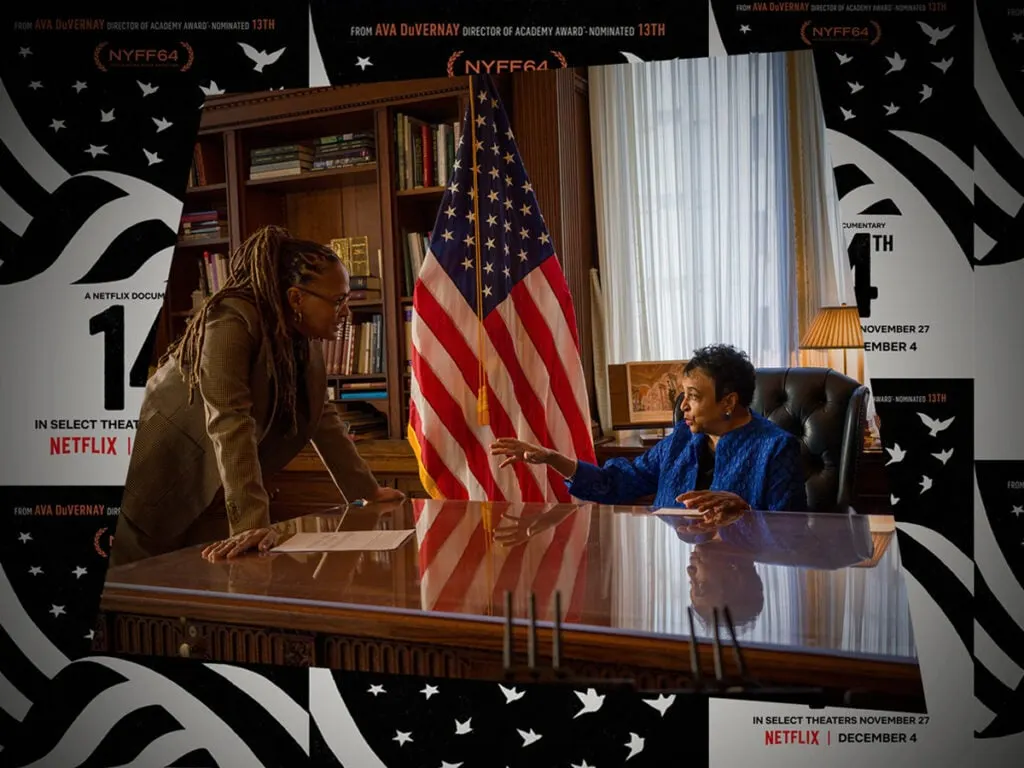
The review argues that Ava DuVernay’s *14th*, a follow-up to *13th*, undermines its case for the importance of the post-Civil War amendments through scattered arguments and shallow historical analysis. It says the film repeats points likely to persuade viewers who already agree, while offering little depth or a clear call to action.
The film frames the 13th, 14th and 15th Amendments as a “second” Constitution and relies on interviews to discuss Reconstruction, civil rights and Donald Trump’s presidency. The reviewer criticises its limited treatment of more than 150 years of history, its omission of dissenting perspectives, and its use of conspicuous AI-generated historical material.
In short
- The review says *14th* weakens its cause with a scattered argument.
- It criticises the film’s thin treatment of US history.
- AI-generated historical material is a major concern.
Steelman: both sides, in good faith
The strongest fair case each way — we don't pick a winner.
The case for
The film’s defenders could argue that the post-Civil War amendments remain central to current debates about citizenship and rights, and that connecting Reconstruction to later civil rights struggles and the present makes their significance accessible to a broad audience. Interviews and AI-generated historical images may help a documentary communicate across a long period, while a focused argument need not give equal time to every opposing view.
The case against
Critics could argue that a film making a major historical and political case should show how its claims withstand serious disagreement, especially when spanning more than 150 years. Scattered arguments, shallow context and conspicuous AI-generated material may weaken trust and persuasion, leaving viewers without the depth or practical direction needed to understand the amendments’ legacy.
Explained simply
After the American Civil War, the 13th Amendment abolished slavery, the 14th established citizenship and equal protection under the law, and the 15th barred denying men the vote because of race. Together, they reshaped the US Constitution and became central to later struggles over civil rights.
Ava DuVernay’s documentary 13th examined the history of slavery and the criminal justice system; 14th continues her focus on the amendments that followed the war. It uses interviews to connect Reconstruction, the period after the war, with later civil rights debates and Donald Trump’s presidency.
The film’s subject is how these constitutional changes have been understood and applied over time. Its approach matters because documentaries can influence how audiences understand complex history and the arguments made about it.