Dutch civil service to cut 25,000 public sector jobs using AI
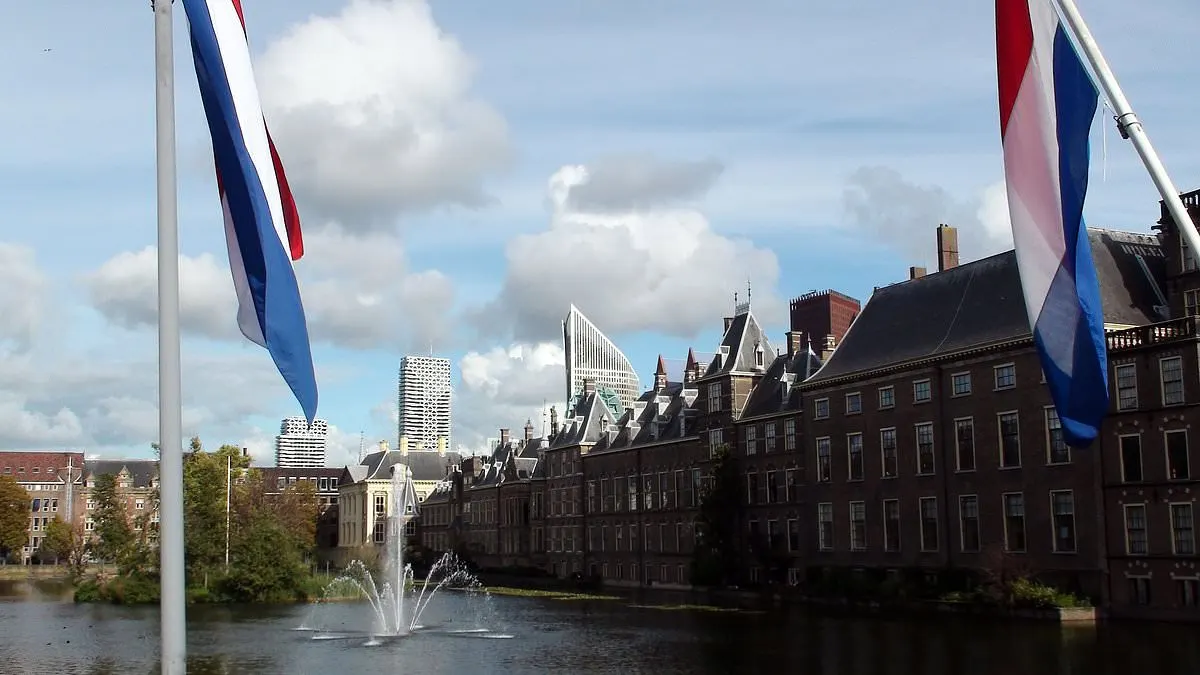
The Dutch government plans to cut at least 25,000 civil service jobs over the next decade, using AI to improve productivity and reduce costs. Police and defence are exempt, and the plan forms part of a wider effort to make government operations simpler while saving public money.
The proposed cuts amount to about 15 per cent of government jobs and are intended to save €3.5 billion a year. The announcement follows a 40 per cent rise in government staffing since 2018, adding 46,500 roles; ministries, inspectorates and agencies could face especially large reductions. The article also notes that UK trials involving 20,000 civil servants found AI saved an average of 26 minutes per person each day.
In short
- The Netherlands plans to cut 25,000 civil service jobs using AI.
- The cuts aim to save €3.5 billion annually.
- Police and defence are exempt from the plans.
Steelman: both sides, in good faith
The strongest fair case each way — we don't pick a winner.
The case for
Supporters could argue that, after rapid growth in civil service staffing, using AI to simplify routine work offers a way to reduce costs and redirect public money to other priorities. If services remain effective, the planned savings could make government more efficient while limiting the need for higher taxes or borrowing.
The case against
Critics could argue that cutting 25,000 jobs on the expectation of future AI productivity gains risks weakening public services before the technology is shown to deliver reliably at this scale. They may also question whether savings justify the loss of institutional knowledge and the strain on remaining staff, particularly if demand for government services continues to grow.
Explained simply
The Dutch civil service includes the staff who run government departments, agencies and inspection bodies. Its workforce grew by about 40 per cent between 2018 and 2024, adding 46,500 jobs.
The government says it wants to simplify public services and reduce spending, with a proposed saving of €3.5 billion a year. It expects artificial intelligence to help staff work more productively, while exempting the police and armed forces from the planned reductions.
The debate centres on whether new technology can deliver lasting efficiency and what fewer staff could mean for public services. UK trials with civil servants have reported time savings, though those results do not by themselves show how the Dutch plan would affect services or jobs.
AI Business Economy Government Politics Technology World