Chancellor John Healey condemned for refusing to use his Iran war VAT windfall from sky-high pump prices to cut Fuel Duty in the Budget
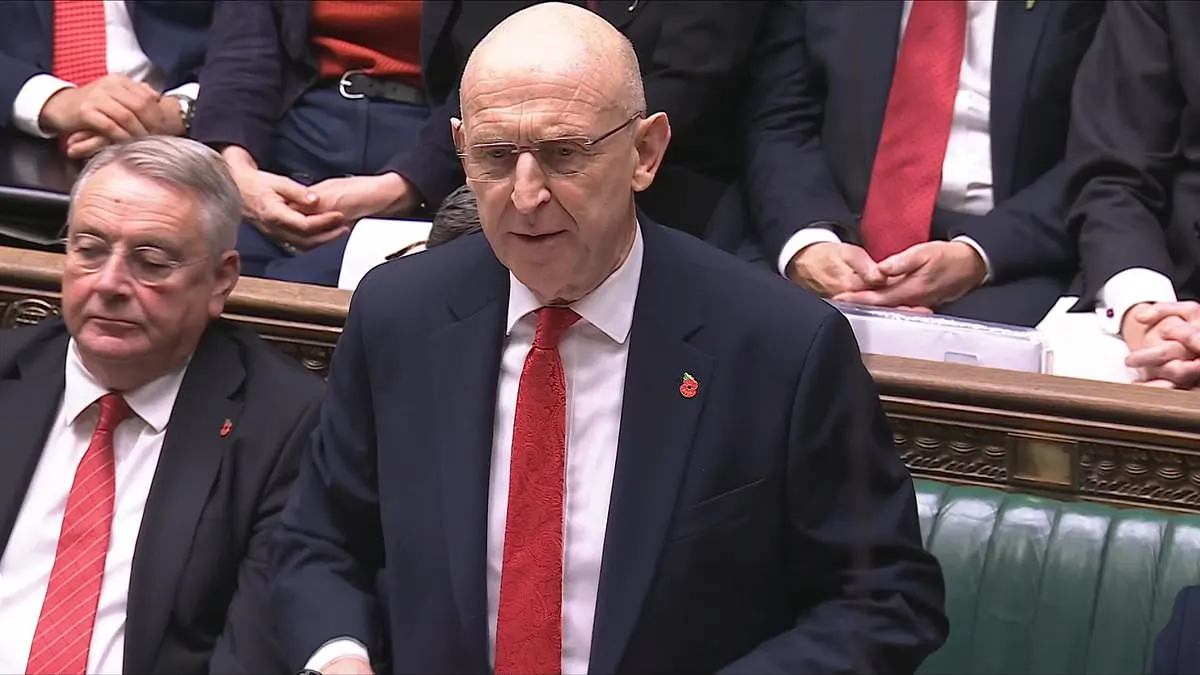
Chancellor John Healey has been criticised for extending the Fuel Duty freeze rather than cutting the tax, despite higher petrol prices increasing VAT receipts. The decision matters to drivers facing rising fuel costs, as the freeze postpones a planned tax rise but does not reduce the price of filling up.
Labour had planned to raise Fuel Duty by 5p a litre from January, but the levy will now remain frozen until July next year. The article says the Treasury has received an estimated £1.7 billion in extra VAT since the Iran conflict began on 28 February, while drivers have spent an estimated £10 billion more on fuel over eight months. Motoring representatives called for a further 5p cut, noting that taxes will still make up about 47 per cent of a petrol fill-up and 43 per cent of diesel; diesel recently topped £2 a litre.
In short
- Fuel Duty is frozen until July next year, not cut.
- Higher fuel prices have brought an estimated £1.7bn VAT windfall.
- Motoring groups say drivers need more support.
Steelman: both sides, in good faith
The strongest fair case each way — we don't pick a winner.
The case for
With fuel prices sharply higher, drivers are facing an immediate squeeze, and the extra VAT raised as prices rise gives the Treasury some scope to ease it. A 5p Fuel Duty cut could reduce pump prices and help households and businesses reliant on driving; advocates may argue that returning some of this windfall is fairer than retaining it while motorists bear the higher costs.
The case against
Extending the freeze already avoids a planned 5p-a-litre increase, limiting a further rise in fuel costs while preserving revenue for other public priorities. A further cut would reduce funds available for public services and could blunt incentives to use less fuel; moreover, VAT receipts rise with prices, but that does not mean the additional revenue is uncommitted or sufficient to offset the wider fiscal cost.
Explained simply
Fuel Duty is a tax charged on each litre of petrol and diesel, while VAT is added to the price paid at the pump. The Chancellor sets tax policy in the Budget, and changes to either tax can affect how much drivers pay.
When fuel prices rise, the VAT collected can also increase because it is calculated as a share of the price. A Fuel Duty freeze keeps the rate from going up for a period, but does not lower the existing tax or directly reduce pump prices.
The issue matters to drivers because fuel costs affect household and business budgets, while fuel taxes also raise money for public spending. It centres on how the government balances those costs against its tax revenues.