Bank shares jump after Budget tax raid was ‘not as bad as feared’
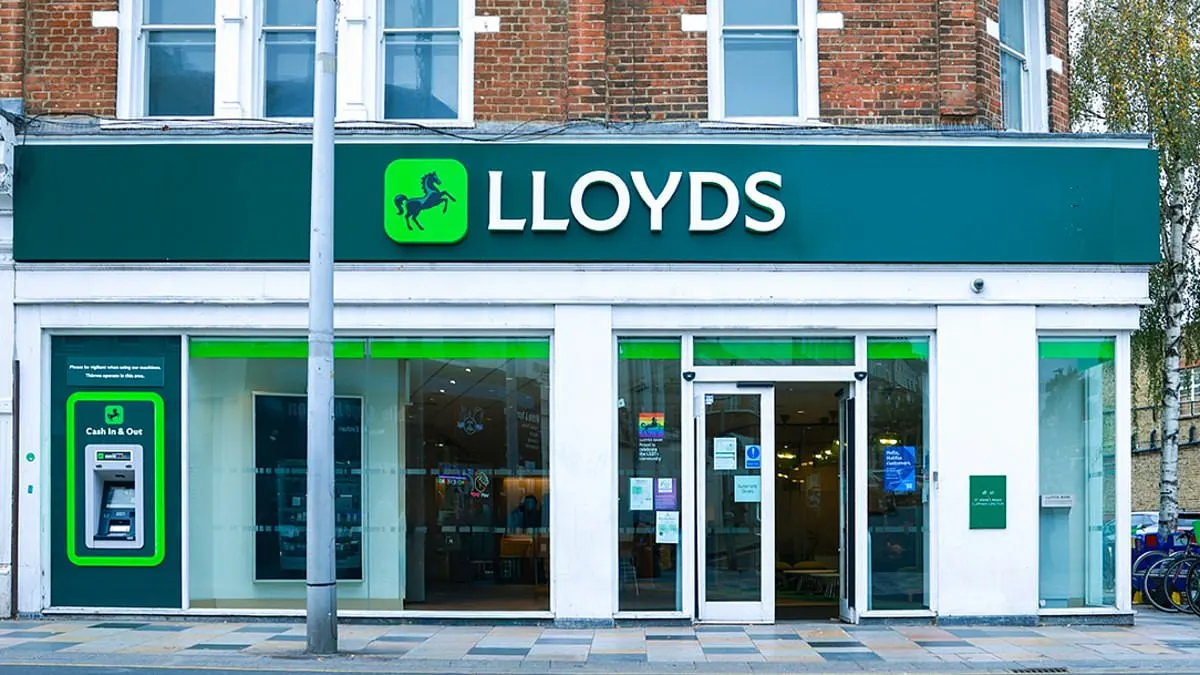
Bank and gambling shares rose during the Budget after tax increases announced by Chancellor John Healey proved smaller than investors had feared. The reaction matters because higher taxes on banks could affect borrowing costs and economic growth, while gambling firms warn that increased duties could lead to closures and job losses.
The bank surcharge on profits will double from 3 per cent to 6 per cent for 15 months from January, on top of 25 per cent corporation tax. Lloyds and NatWest shares gained about 2 per cent, Barclays rose 1.6 per cent and Standard Chartered 2.4 per cent. The tax on slot machines will rise from 20 per cent to 25 per cent, below the feared 40 per cent; Rank shares climbed nearly 12 per cent and Entain gained close to 4 per cent.
In short
- Bank taxes rise less than investors feared.
- The surcharge will last 15 months.
- Gambling shares rose after a smaller-than-feared duty increase.
Steelman: both sides, in good faith
The strongest fair case each way — we don't pick a winner.
The case for
Supporters of the tax increases can argue that profitable banks and gambling firms should contribute more to public finances, helping fund public services while asking sectors with substantial profits to bear a greater share. The rises were limited compared with what investors had feared, and the temporary bank surcharge and lower-than-feared slot-machine duty increase may raise revenue while reducing the risk of sharper disruption.
The case against
Critics can argue that extra taxes on banks may be passed on through costlier borrowing or reduced lending, weakening investment and economic growth. Gambling duties could make some venues unviable, putting jobs at risk and reducing consumer choice; even a smaller increase than feared may still add pressure to firms and workers.
Explained simply
The Chancellor’s Budget sets out the Government’s tax and spending plans. Banks pay corporation tax on profits, plus an extra charge known as a surcharge; gambling businesses also pay duties on some activities, including slot machines.
The main players include the Treasury, which sets tax policy, and companies such as Lloyds, NatWest and Barclays in banking, and Rank and Entain in gambling. Investors buy and sell shares in these businesses, and share prices can move when tax plans affect expectations of future profits.
Tax changes can affect how much money companies have available to lend, invest or use to meet costs. Gambling firms say higher duties could make some venues unviable, with possible effects on jobs and local businesses.