John Swinney’s former depute Kate Forbes piles pressure on him to back more North Sea drilling
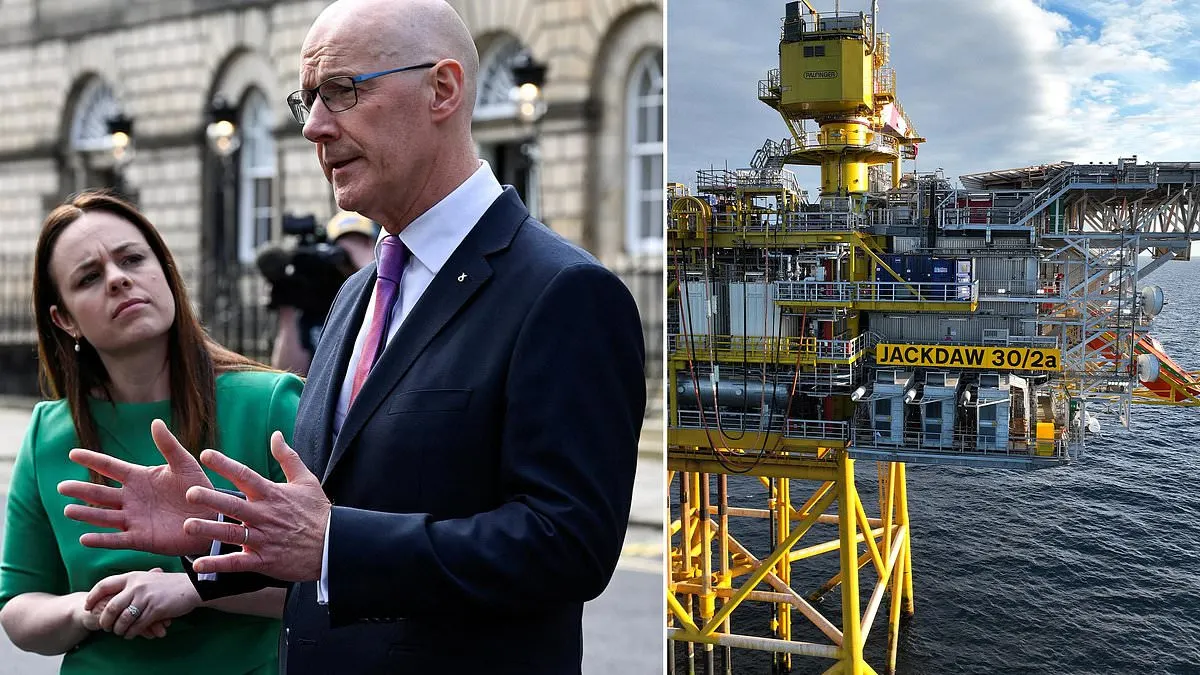
Kate Forbes has urged First Minister John Swinney to support the Rosebank oilfield, arguing approval would fit with a recent SNP conference motion. Her intervention increases pressure on Swinney after he repeatedly declined to say whether he backed the project, which has become a point of political dispute over jobs and energy policy.
Forbes warned that 18,000 offshore energy jobs could be lost by 2035 if new opportunities do not replace declining oil and gas activity. SNP delegates voted last month to remove the party’s presumption against new drilling and favour domestic production over imports, but the Scottish Government is expected to delay its final energy strategy until later next year. Forbes also criticised the UK Government’s plan to support the Acorn carbon capture project through loans or equity rather than further capital grants; an energy minister said funding remained available through those routes.
In short
- Kate Forbes says Swinney should back Rosebank.
- She warns 18,000 offshore energy jobs could be lost by 2035.
- Scotland’s final energy strategy is expected later next year.
Steelman: both sides, in good faith
The strongest fair case each way — we don't pick a winner.
The case for
Backing Rosebank could help sustain offshore jobs and supply some of the oil and gas the UK would otherwise import, while giving workers and communities more time to adapt as existing fields decline. Supporters may also argue that the SNP conference motion calls for domestic production and that carbon capture investment can help manage emissions from continued production.
The case against
Opponents may argue that approving a new oilfield would extend reliance on fossil fuels and risk locking in emissions, while investment and policy certainty are needed to accelerate lower-carbon energy instead. They may also question whether Rosebank would secure the jobs cited, and argue that public support should prioritise renewables, carbon capture and a managed transition for offshore workers.
Explained simply
The North Sea has long been a source of oil and gas, as well as jobs in offshore communities. As existing fields decline, politicians disagree over whether to approve new drilling and how quickly Scotland should shift to cleaner energy.
Kate Forbes is a senior Scottish National Party politician and was John Swinney’s deputy; Swinney is Scotland’s First Minister and leads the Scottish Government. The Rosebank field, west of Shetland, has become a focus of debate about whether new oil production can support jobs and energy supplies.
The Scottish Government sets policy on many energy matters, while decisions on offshore oil and gas licensing sit with the UK Government. The dispute also touches on Acorn, a proposed carbon capture project in north-east Scotland, and on how public funding should support the energy transition.