World news and discussion on TalkFuse.
Majority of Americans broadly reject socialist ideology even as far left surges to power
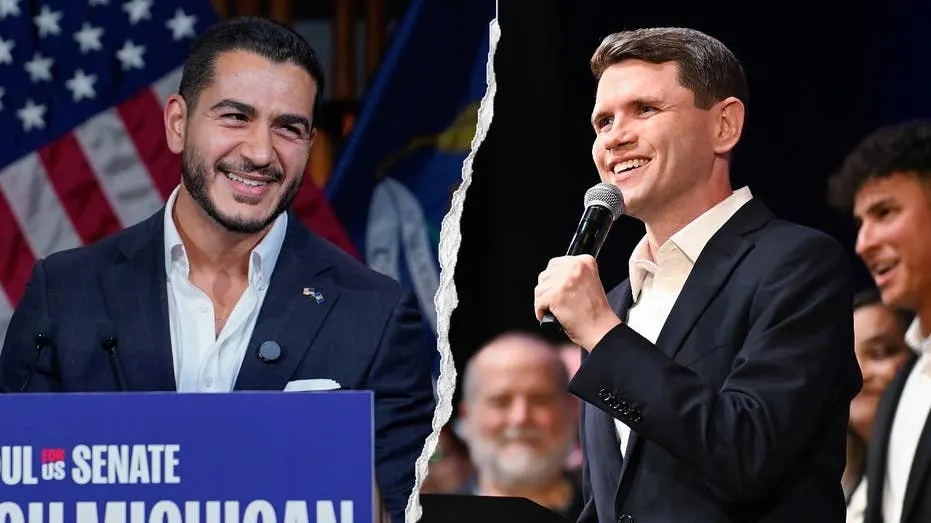
A poll found that most surveyed Americans view socialism unfavourably, even as left-leaning candidates Abdul El-Sayed and James Talarico won significant election victories. The results suggest that candidates can appeal to voters by criticising inequality and corporate power while supporting regulated capitalism rather than identifying as socialists.
Among 100,000 registered voters surveyed by SSRS from 19 October to 3 November 2026, 54% viewed socialism negatively and about a third positively; 57% viewed capitalism positively and 32% negatively. At the same time, 69% said the economy favours the wealthy. El-Sayed, who won Michigan’s Senate race, backed policies including Medicare for All and taxing billionaires, while describing himself as a capitalist; Talarico similarly criticised monopolies and the concentration of wealth.
In short
- Most surveyed voters viewed socialism unfavourably.
- 69% said the economy favours the wealthy.
- Two left-leaning winners defended regulated capitalism.
Steelman: both sides, in good faith
The strongest fair case each way — we don't pick a winner.
The case for
The poll suggests that many Americans distinguish between socialism as an ideology and policies aimed at reducing inequality or curbing corporate power. Candidates can respond to concerns that the economy favours the wealthy while backing regulated capitalism, and electoral success may show that voters see this as a practical, appealing approach.
The case against
The results also suggest that socialist policies or labels may carry a political cost: more respondents viewed socialism unfavourably than favourably, while most viewed capitalism positively. Critics could argue that candidates who support major state expansions should be clearer about how those policies fit their economic principles, rather than relying on popular criticism of inequality to obscure the distinction.
Explained simply
Socialism describes a range of ideas about how wealth and essential services should be organised, often involving a larger role for government or public ownership. Capitalism relies mainly on private businesses and markets, though governments can regulate them and provide public services.
In the United States, the Democratic Party includes voters and politicians with a range of views on the economy. Abdul El-Sayed and James Talarico have criticised economic inequality and the power of large companies, while supporting policies such as wider public healthcare and higher taxes on billionaires.
Debates over these ideas matter because they shape choices about healthcare, taxes and the role of government. Voters may support some policies associated with the left without agreeing with the label “socialist”.
Americas Business Economy Elections Politics World