Politics news and discussion on TalkFuse.
Democrats seize majority of governors’ offices in election-night shift
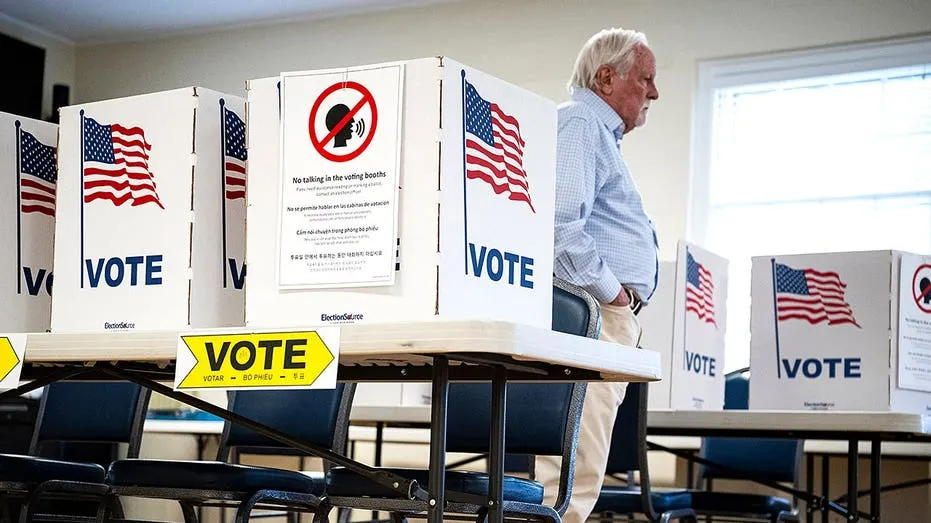
Democrats are on course to hold a majority of US governorships after election-night victories, reversing the balance of power in an influential level of government. The shift gives the party more influence over state policy and could sharpen disputes with the Republican-led federal government.
By Wednesday morning, Democrats held 28 governorships and Republicans 20, with Kansas and Alaska still undecided. Before the election, Republicans held 26 offices to Democrats’ 24, so Democrats needed a net gain of two to take the lead. Governors shape state policy and oversee agencies, but the effect of the change will vary where legislatures are controlled by another party; the enlarged group of Democratic governors may also feature in the 2028 presidential cycle.
In short
- Democrats lead governors’ offices 28 to 20, with two races uncalled.
- The change reverses the pre-election balance of 26 Republicans to 24 Democrats.
- Governors could clash more with the Republican-led federal government.
Steelman: both sides, in good faith
The strongest fair case each way — we don't pick a winner.
The case for
Democratic gains could give more states leaders who favour using state policy and agencies to pursue their priorities, while providing a counterweight to a Republican-led federal government. Supporters may also see a broader range of governors as useful for representing state interests in federal disputes and bringing varied experience into national politics.
The case against
A change in party balance does not by itself show that state policy will improve, and governors can be constrained by legislatures controlled by the other party. Those wary of the shift may argue that more partisan conflict with the federal government could make governing harder, while the election results alone say little about how effectively individual governors will serve their states.
Explained simply
US states elect governors, who lead state governments and appoint officials to run agencies. They work with state legislatures to set policies and budgets, so a governor’s influence can be limited when the legislature is controlled by another party.
Governors oversee areas such as education, transport and public safety, while sharing power with state lawmakers and, in some areas, the federal government. The offices can also give politicians a platform nationally, and some governors may seek higher office, including the presidency.
Elections Government Politics World