World news and discussion on TalkFuse.
Protests erupt across France after left-wing groups call for mobilization
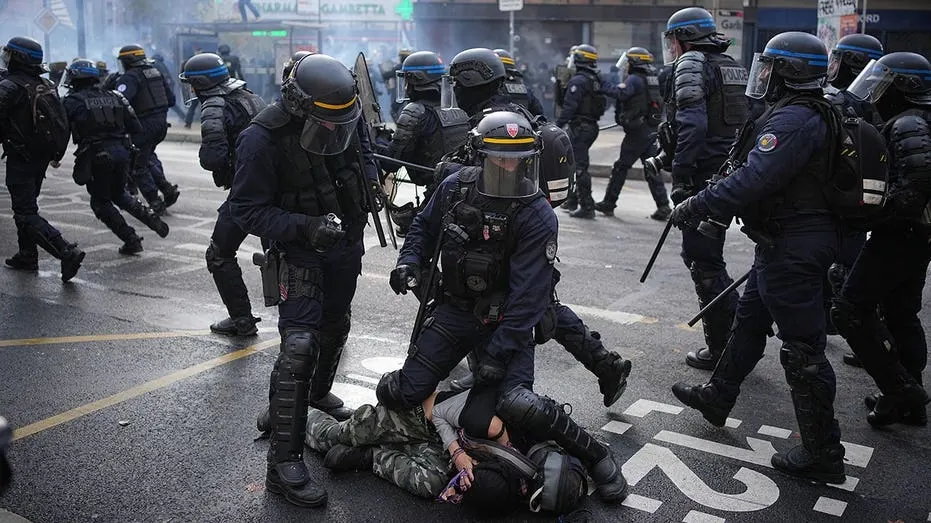
Tens of thousands of people joined nationwide strikes and protests in France after left-wing groups and unions called for mobilisation, prompting the deployment of 70,000 police officers. The demonstrations disrupted travel and public services, while clashes and reports of damage in several locations underscored concerns about unrest ahead of a heated presidential campaign.
An official said about 270,000 people had joined union action at 180 rallies outside Paris by early Thursday. The Eiffel Tower closed, around a third of high schools were shut or unable to operate, and police used tear gas in Lyon; a fire was reported at a high school near Toulouse. Unions warned of recession, rising living costs and growing layoffs, as the protests unfolded amid campaigning to succeed Emmanuel Macron, who cannot seek a third consecutive term.
In short
- France deployed 70,000 police for nationwide protests and strikes.
- About 270,000 people joined union action at 180 rallies outside Paris.
- Disruptions came as unions warned of recession and rising costs.
Steelman: both sides, in good faith
The strongest fair case each way — we don't pick a winner.
The case for
Supporters argue that strikes and mass demonstrations are legitimate ways for workers and citizens to press for action on rising living costs, job losses and the risk of recession, especially during an election campaign when these issues deserve public attention. Disruption can be a serious burden, but they may see it as proportionate to the stakes and as a means of making concerns heard.
The case against
Critics argue that strikes and demonstrations which disrupt travel, schools and public services impose costs on people who may have little choice or influence over the action, and can weaken the economy when it is already under strain. They may also support the right to protest while insisting that violence, damage and threats to public safety must be prevented and that political change should be pursued without avoidable disruption.
Explained simply
France has a strong tradition of strikes and street protests, often organised by trade unions and political groups to challenge government policy or draw attention to economic concerns. Unions represent workers across sectors, while left-wing groups generally advocate policies focused on reducing inequality and protecting public services.
The protests come as France prepares to choose a successor to President Emmanuel Macron, whose term is nearing its end and who cannot serve a third consecutive term. The campaign is taking place amid concerns about the cost of living, jobs and the economy, issues that can shape both public demonstrations and political debate.
Large strikes can affect transport, schools and other public services, while clashes or damage may raise concerns about public order. The scale and impact of protests can also influence how parties address economic issues during an election campaign.
Europe Government Politics World