Technology news and discussion on TalkFuse.
Ads in Chatbots Have Arrived. Here’s What’s Working—and What’s Not
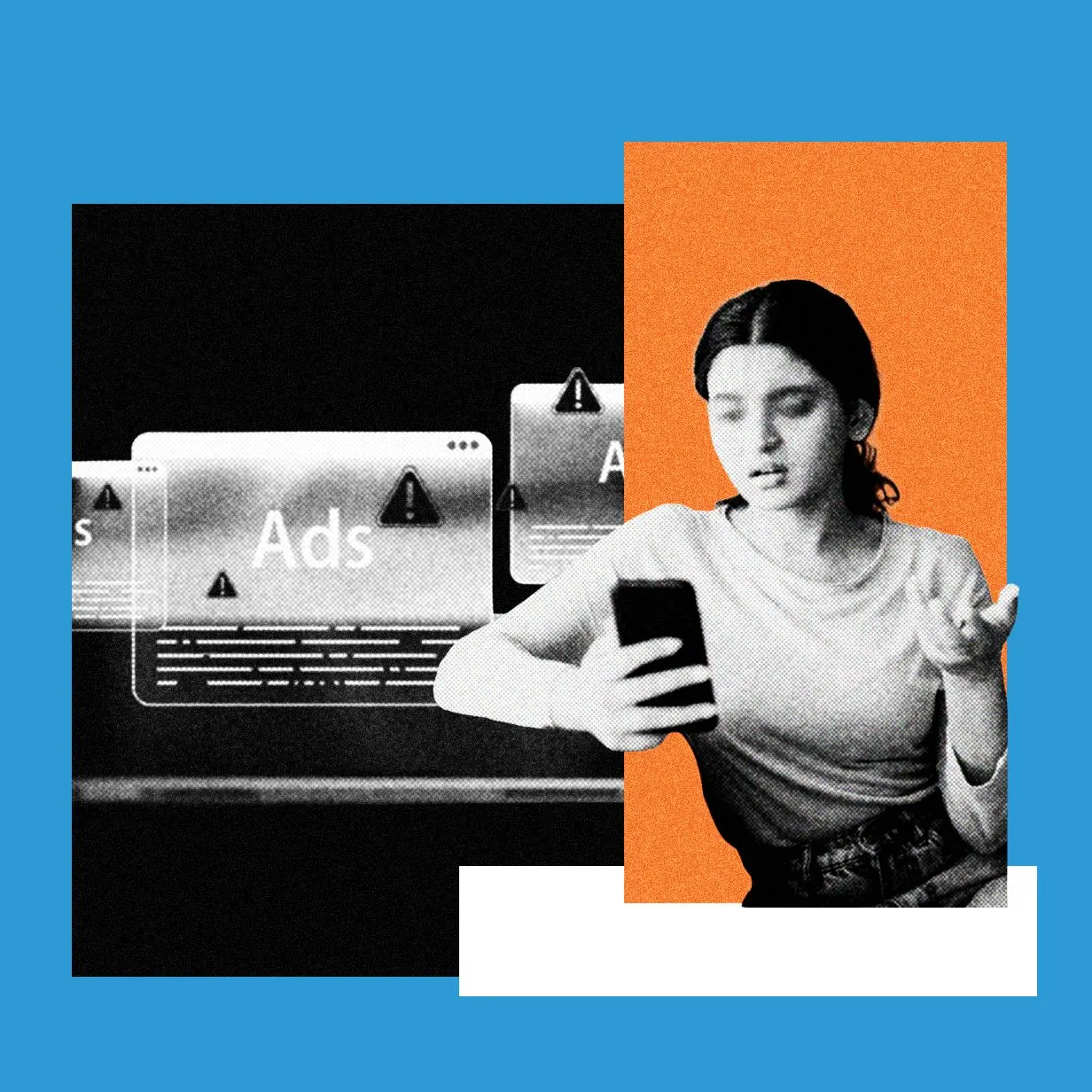
Chatbot advertising is growing as AI companies seek ways to cover the high cost of generating responses. OpenAI says more than 100,000 customers have advertised in ChatGPT since ads launched in February, while Google has expanded ads in its AI Mode search chatbot to ten countries beyond the US. Anthropic says Claude will remain ad-free, a stance the article notes may be easier to maintain with substantial investor backing.
Koah Labs, which supplies ads to more than 200 apps, says AI-crafted ad copy gets twice as many clicks as fully human-written copy, and that its ads receive about a 3 per cent click rate. It uses conversation context to select ads, with spas performing well after prompts about stress, but that personalisation raises questions about privacy. Some advertisers, including drugmakers, also need tighter control over claims, creating a challenge for ad firms trying to make promotions engaging without increasing risk.
In short
- Chatbot companies are expanding advertising to help fund AI services.
- Koah says AI-crafted ads get twice as many clicks.
- Personalised chatbot ads raise privacy and advertiser-control questions.
Steelman: both sides, in good faith
The strongest fair case each way — we don't pick a winner.
The case for
Advertising could help cover the substantial costs of running chatbots and support their wider availability without relying solely on subscriptions or investor funding. Early reports of advertiser uptake and stronger click rates for AI-crafted copy suggest the model may attract businesses, while context-aware ads could be more relevant to users if handled responsibly.
The case against
Ads within conversations risk making users feel that private disclosures are being used to target them, which could weaken trust in chatbots. The format also creates pressure to make promotions persuasive while keeping claims accurate and controlled, especially in sensitive areas such as medicines; an ad-free service may therefore offer a meaningful alternative for users who value that separation.