Science news and discussion on TalkFuse.
‘An abomination’: Idaho hunters earned thousands of dollars to kill newborn wolf pups, records reveal
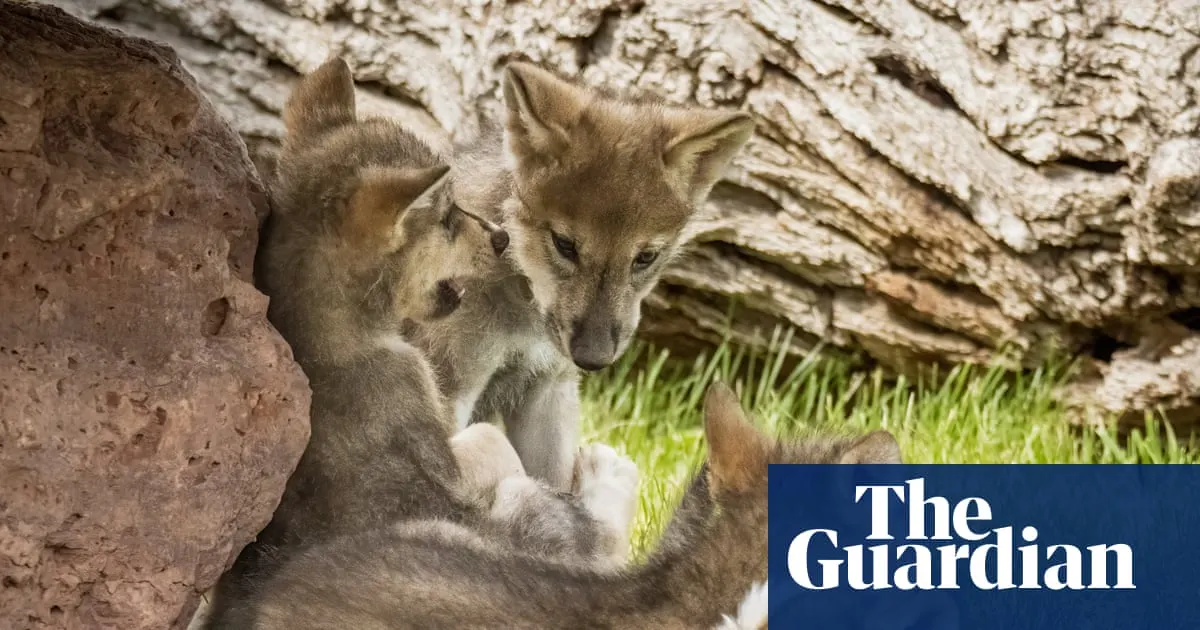
Idaho records show that hunters were paid to kill 12 newborn wolf pups this spring, including what appears to have been at least one whole litter near its den. The payments have angered wildlife advocates and renewed debate over a state programme to reduce wolf numbers amid pressure from ranchers and hunting outfitters.
Three hunters killed the pups in the northern panhandle on 25 April; they were likely one to three weeks old. The reimbursement programme paid $2,000 per wolf through the season ending in June, covering expenses such as fuel, ammunition and clothing. Idaho’s 2023 management plan calls for reducing the population to about 650 wolves in spring, and state biologists confirmed the animals were pups; no state rule prohibits killing them.
In short
- Idaho paid hunters $2,000 for each of 12 newborn wolf pups killed.
- The pups were likely one to three weeks old.
- State policy aims to reduce the wolf population to about 650.
Steelman: both sides, in good faith
The strongest fair case each way — we don't pick a winner.
The case for
Supporters of Idaho’s programme argue that reducing wolf numbers towards the state’s management target can help limit livestock losses and sustain ranching communities, while also responding to concerns raised by hunters and outfitters. They may view reimbursements for documented costs as a practical tool for carrying out a policy set through state management, especially where killing wolves is legal and biologists monitor the population.
The case against
Opponents argue that paying hunters to kill very young pups, apparently including animals at a den, is an unnecessarily cruel way to manage wolves and risks undermining public trust in wildlife policy. They may also question whether a broad population reduction is justified when it targets vulnerable young animals and can disrupt packs, rather than focusing on specific conflicts with livestock.
Environment Politics Science World