Business news and discussion on TalkFuse.
SpaceX shifts towards infrastructure as AI speeds up work across company
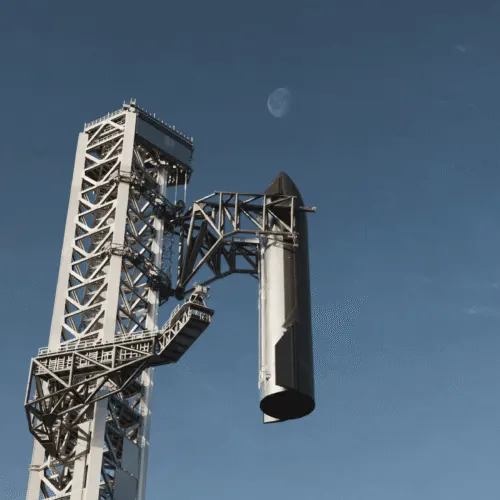
SpaceX is increasingly defining itself as an infrastructure company, building systems on Earth and in orbit while pursuing plans for the Moon and Mars. Senior launch vice-president Kiko Dontchev said rapid adoption of artificial intelligence is speeding up work across the company, while the long-dominant Falcon 9 is moving towards retirement.
Dontchev said tasks that once took hours or days can now take seconds or minutes with AI. He cited inspections for foreign object debris: human inspectors identify it with about 94 per cent accuracy, compared with 99.9 per cent for Grok analysing the same video. SpaceX has also automated visual checks of Starlink terminals, and Dontchev said AI is being used by technicians as well as engineers; he maintained that Mars remains part of the company’s ambitions.
In short
- SpaceX says it is now fundamentally an infrastructure company.
- Grok reportedly detects aerospace debris with 99.9 per cent accuracy.
- Dontchev says AI is accelerating work and Mars remains a goal.
Steelman: both sides, in good faith
The strongest fair case each way — we don't pick a winner.
The case for
AI could make SpaceX’s work faster and more reliable, while automation of routine checks may free staff for tasks that need human judgement. The reported accuracy improvement in debris detection suggests it could also help reduce risks in a complex launch operation, supporting the company’s broader infrastructure ambitions.
The case against
Greater reliance on AI in safety-related work raises questions about how errors are detected, who remains accountable and whether human oversight is sufficient, especially when the reported comparison comes from the company. The shift towards automation and an infrastructure focus may also bring trade-offs in workforce roles and priorities, while ambitious plans for the Moon and Mars still need to be judged against practical costs and risks.
Explained simply
SpaceX is a US company that launches rockets and operates Starlink, a network of satellites that provides internet access. Its Falcon 9 rocket has carried many of its satellites and other customers’ payloads into space, while the company is also developing larger rockets for future missions.
The company’s work depends on equipment and infrastructure on the ground and in orbit, from launch sites to satellites and user terminals. Artificial intelligence can help analyse images and check equipment, alongside work done by staff; SpaceX says it is also pursuing longer-term plans to send missions to the Moon and Mars.
Business Companies Space Technology
Read the full article at the source →
Originally published by Ars Technica as “SpaceX now fundamentally an “infrastructure company,” senior official says”.