Technology news and discussion on TalkFuse.
Dr. Dre Says People Mad About AI “Aren’t That Creative”
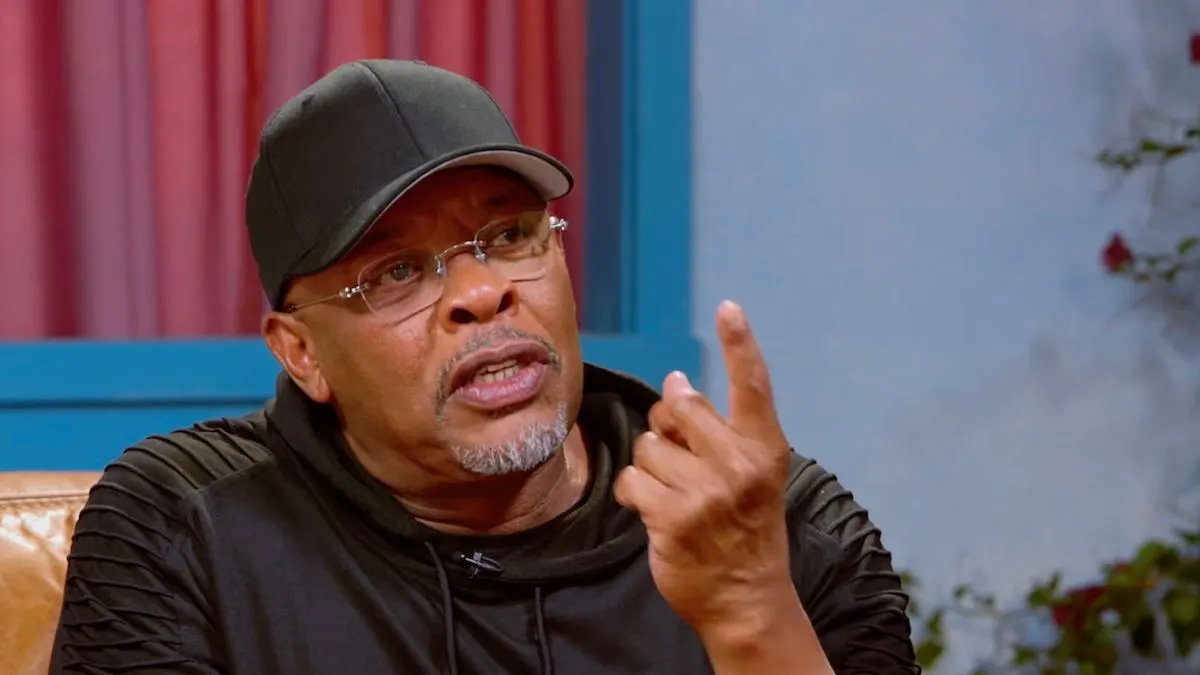
Dr Dre said he is excited about artificial intelligence and argued that people angry about its growing role may be less creative or unwilling to learn new technology. His comments matter as debate continues over AI’s use in music and film, including how it may reproduce a performer’s image, voice or sound.
Speaking on the Listen & Laugh podcast with Ice Cube and Mike Epps, Dre said he would respect someone using AI to make a record sound more like his work. He also described performers approving AI-generated uses of their image and voice without being physically present. The article notes that Dre made similar comments in August, calling AI a threat mainly to people who struggle to create.
In short
- Dr Dre says AI can open new creative possibilities.
- He would respect AI being used to emulate his sound.
- He has previously said he is embracing the technology.
Steelman: both sides, in good faith
The strongest fair case each way — we don't pick a winner.
The case for
AI can give musicians and filmmakers new ways to experiment, develop ideas and make work that would otherwise be out of reach. If performers knowingly approve uses of their voice or image, the technology can also support creative collaborations without requiring them to be physically present.
The case against
AI systems can reproduce a performer’s recognisable voice, image or sound, raising concerns about consent, control and whether audiences can tell how a work was made. Critics may also argue that these tools draw on human creative work without fair recognition or compensation, and that dismissing those concerns as a lack of creativity overlooks legitimate risks.
Explained simply
Dr Dre is an American rapper and producer whose work has influenced hip-hop and popular music. He is also known for producing records for other artists, so his views carry weight in discussions about how music is made.
Artificial intelligence can generate or alter music, voices and images using patterns learned from existing material. In music and film, this raises questions about when performers should be asked for permission, how they should be credited or paid, and how audiences can tell what is human-made.