Technology news and discussion on TalkFuse.
Recordable Blu-ray lifespan ranges from five to 50 years, depending on type
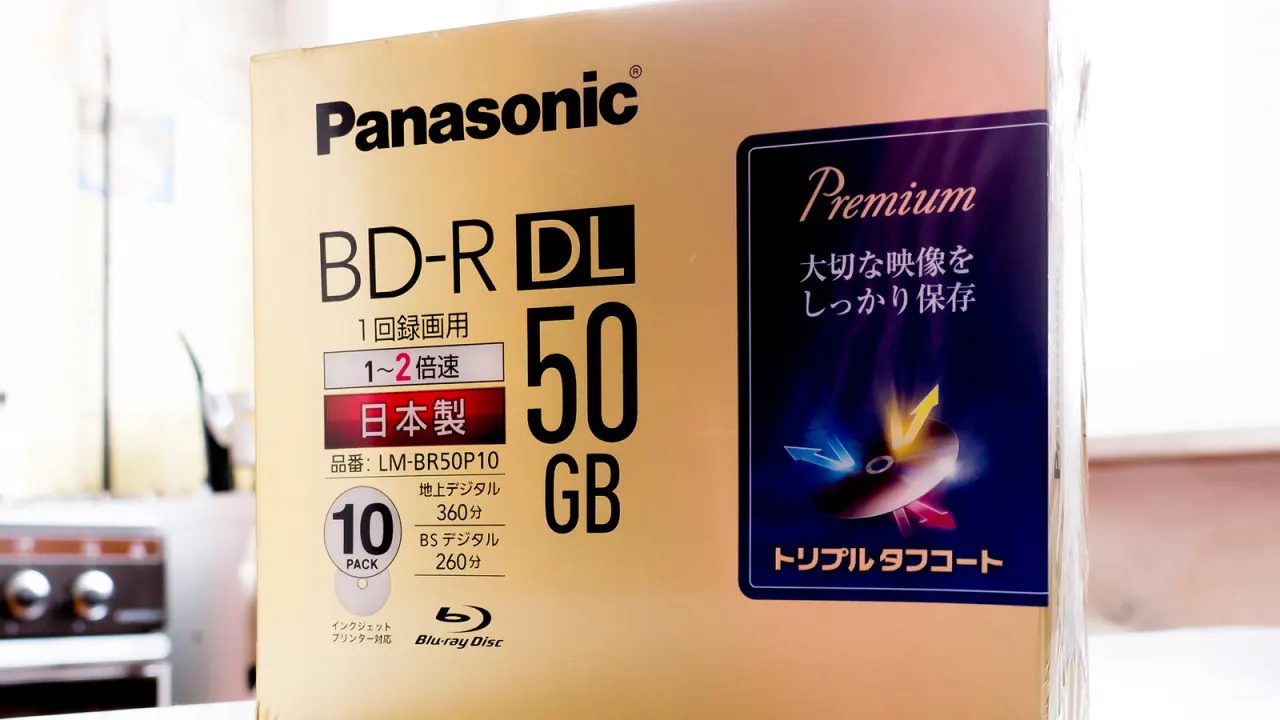
Recordable Blu-ray discs can preserve data for years or decades, but their lifespan depends on the disc type and quality. For important archives, the figures are encouraging, though physical damage and the risk of losing access to compatible drives mean Blu-ray should not be the only place files are stored.
Canadian Conservation Institute data suggests the cheapest BD-R discs last around five to 10 years, while higher-quality discs with different recording and metal layers may last 10 to 20 years. Rewritable BD-RE discs may last 20 to 50 years. Keeping discs cool, dry and dark can help prevent deterioration, but the article recommends maintaining copies across several storage types and being able to move files to newer media.
In short
- Cheap BD-R discs may last five to 10 years.
- Higher-quality BD-R and BD-RE discs can last longer.
- Keep multiple copies and plan for future access.
Explained simply
Recordable Blu-ray discs store digital files on a surface that is read by a laser. BD-R discs can be written to once, while BD-RE discs can be erased and reused; materials and manufacturing quality vary between discs.
Their useful life depends on the type of disc and how it is stored. Heat, moisture, light and physical damage can affect the data, and a disc may be difficult to use if compatible drives become unavailable.
This matters to people keeping photographs, documents or other files for the long term. A disc can be one part of an archive, but keeping copies on different kinds of storage and transferring files as technology changes can reduce the chance of losing access.
Read the full article at the source →
Originally published by Engadget as “What is the average lifespan of recordable Blu-ray discs?”.