Politics news and discussion on TalkFuse.
Democrats Swept In By Blue Tsunami Double Down On Medicaid Expansion — Despite GOP Throwing A Wrench
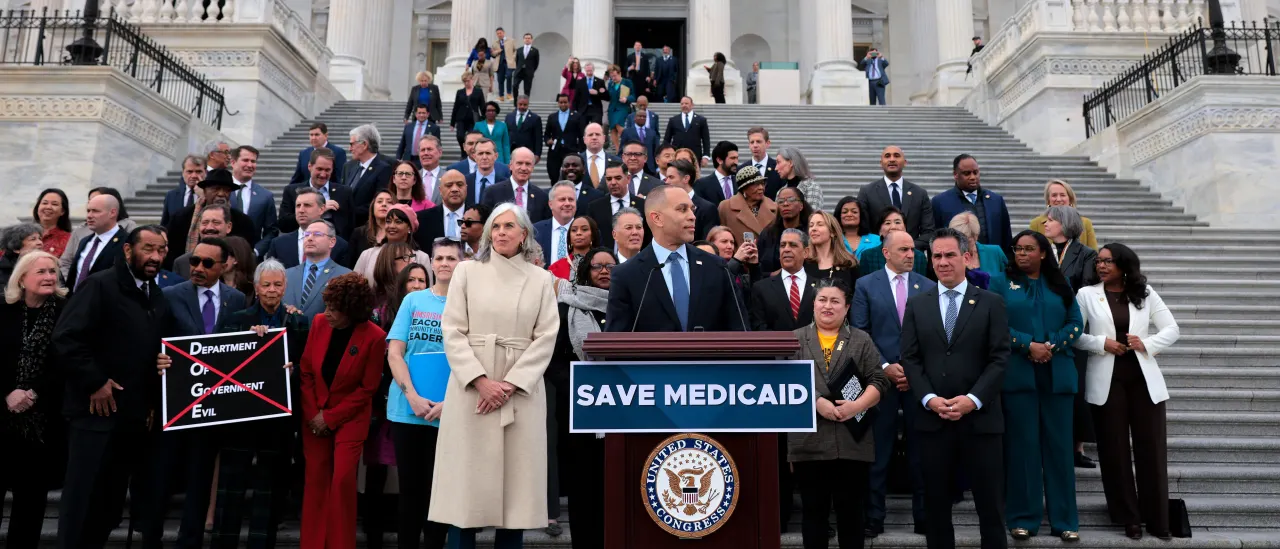
Democrats who won gubernatorial and legislative races in several traditionally Republican states say they will pursue Medicaid expansion, a campaign promise they argue could improve access to healthcare. Their plans face new federal requirements and Republican opposition, making it uncertain whether they can deliver.
Georgia, Texas, Kansas and Wisconsin elected Democratic governors who are due to take office in January; Democrats also gained control of both Wisconsin legislative chambers. The article says the Affordable Care Act expansion previously offered federal funding for 90 per cent of costs, but the One Big Beautiful Bill Act requires states to contribute more, adds work requirements of at least 80 hours a month for many recipients aged 18 to 64, and calls for more frequent eligibility checks. Republican control of state legislatures in Georgia, Texas and Kansas presents further obstacles, while Wisconsin Governor-elect David Crowley has said expansion is no longer viable.
In short
- Newly elected Democrats want to expand Medicaid in several states.
- Federal funding and eligibility rules have changed.
- Republican control could block expansion in some legislatures.
Steelman: both sides, in good faith
The strongest fair case each way — we don't pick a winner.
The case for
Expanding Medicaid could give more low-income residents access to healthcare and reduce the number who go without treatment because they cannot afford it. Supporters can argue that the federal contribution makes expansion a practical way to improve coverage, and that newly elected officials should pursue a policy they promised voters, while working through the new requirements.
The case against
Opponents can argue that expansion brings lasting state costs and administrative demands, especially as federal law now requires states to contribute more and verify eligibility more often. They may also see work requirements as a way to focus assistance on people who meet the programme’s conditions, and contend that states should not commit to expansion unless its costs and implementation are manageable.
Explained simply
Medicaid is a US public health insurance programme for people on low incomes and some other groups. The Affordable Care Act allowed states to cover more low-income adults, with the federal government paying most of the added cost; states could choose whether to expand.
Governors and state legislatures shape Medicaid policy, so a governor may need lawmakers’ support to make expansion happen. In Georgia, Texas and Kansas, Republican-led legislatures could block Democratic governors’ plans, while Wisconsin’s new Democratic legislative majority may make agreement easier.
Federal law also sets funding and eligibility rules for the programme. Changes that require states to spend more, add work conditions for many adults or check eligibility more often could affect both whether states expand coverage and how many people qualify.