New releases, music videos and album news — indie, rap, rock and pop. Always covering Ren, Chris Webby, Sam Tompkins, bbno$, CHINCHILLA, Muse, Yungblud and more.
In 1994, REM made a “gut record” instead of the “heart record” fans expected. Did it succeed?
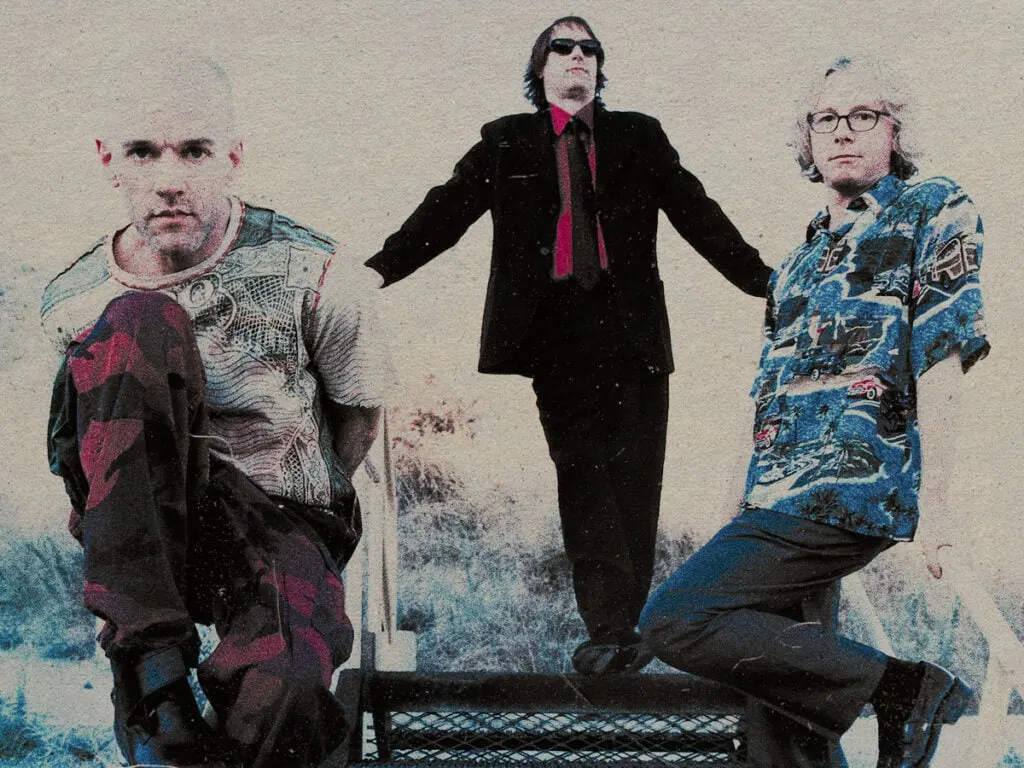
In 1994, R.E.M. followed the success of *Out of Time* and *Automatic for the People* with *Monster*, a louder, rougher neo-glam rock album. The band deliberately avoided repeating the reflective style audiences expected, taking inspiration from Nirvana’s willingness to make a challenging follow-up to a huge hit. The choice mattered because it tested whether R.E.M. would follow their instincts or cater to a much larger audience.
The album was shaped by the deaths of Michael Stipe’s friends River Phoenix and Kurt Cobain; Cobain’s death inspired “Let Me In”. Bassist Mike Mills described the record as a “gut record” rather than a “heart record”, with songs about sex and drugs driven by Peter Buck’s fuzzy guitar sound. *Monster* reached number one in the US and UK and went four-times platinum in the US, though it sold about half a million fewer copies there than *Automatic for the People*. Some fans were disappointed, while older fans welcomed its return to the band’s earlier edge, and its reputation has improved over time.
In short
- R.E.M. chose a loud, raw sound over repeating their recent hits.
- *Monster* reached number one in the US and UK.
- It sold four-times platinum, though some fans were disappointed.
Steelman: both sides, in good faith
The strongest fair case each way — we don't pick a winner.
The case for
Monster succeeded as an artistic statement: R.E.M. followed their instincts instead of repeating the reflective sound that had brought them a larger audience. Its rougher guitar-driven songs reached number one in the US and UK, sold four-times platinum in the US, and later gained a stronger reputation, suggesting the risk produced a lasting work on its own terms.
The case against
By changing direction so sharply, R.E.M. left some fans disappointed and made an album that sold about half a million fewer US copies than Automatic for the People. Its commercial success shows the experiment found a large audience, but does not by itself establish that the rawer approach matched the emotional reach or broad appeal of the records it followed.
Explained simply
R.E.M. are an American rock band whose early music had a rougher sound, before they became widely known for more reflective albums such as Out of Time and Automatic for the People. Their 1994 album Monster marked a deliberate shift back towards louder guitars and songs about sex and drugs. Bassist Mike Mills described it as a “gut record” rather than a “heart record”.
The album followed the deaths of singer Michael Stipe’s friends River Phoenix and Nirvana frontman Kurt Cobain; Cobain’s death informed the song “Let Me In”. Its release tested whether R.E.M. would repeat the style that had won them a much larger audience or follow a different musical direction. Some fans were disappointed, while others welcomed the return to a rougher sound.