World news and discussion on TalkFuse.
The “shameful” measles data that lost the US its elimination status
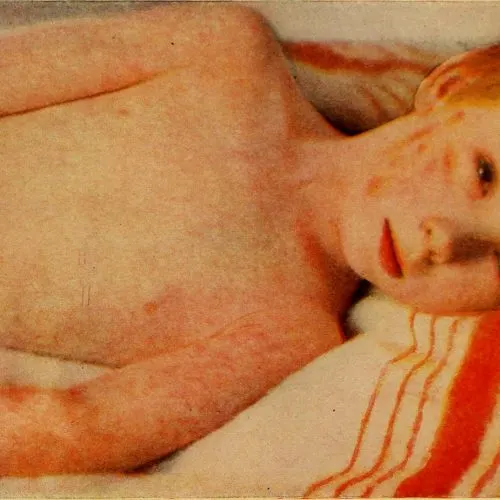
International health authorities have formally withdrawn the United States’ measles elimination status, which it had held since 2000. The decision confirms that measles has become endemic again after a single viral lineage spread continuously for at least 12 months, marking a major reversal of decades of vaccination progress.
The ruling was based on data from January 2025 to January 2026, rather than this year’s surge in cases. The US has reported more than 5,400 cases this year, including over 1,500 in Pennsylvania, and 10 confirmed deaths across three states; the Pennsylvania outbreak began after the review period. The full data submitted to the Pan American Health Organization have not yet been made public.
In short
- The US has lost its measles elimination status.
- A viral lineage spread continuously for at least 12 months.
- This year’s cases and Pennsylvania outbreak did not drive the decision.
Steelman: both sides, in good faith
The strongest fair case each way — we don't pick a winner.
The case for
Withdrawing elimination status reflects a clear epidemiological threshold: a measles lineage circulated continuously for at least 12 months, showing that transmission was no longer being interrupted. Applying that standard consistently can help health authorities identify sustained spread, focus resources on vaccination and surveillance, and maintain public trust in international disease monitoring.
The case against
The decision may be seen as an overly blunt assessment of a large and varied country, especially while the underlying data submitted for review remain unavailable for public scrutiny. Because the ruling covers January 2025 to January 2026 and excludes the later Pennsylvania outbreak, critics could argue that it does not capture the full context of the current surge or distinguish local failures from national progress.
Explained simply
Measles is a highly contagious virus that can cause serious illness, especially in young children. Vaccination greatly reduced its spread in the United States, and in 2000 the country was declared to have eliminated measles, meaning the virus was no longer spreading continuously within its borders.
The Pan American Health Organization, which works with countries across the Americas on public health, assesses whether measles is spreading continuously or arriving in separate outbreaks from elsewhere. The US status depends in part on vaccination coverage and on tracking whether cases are linked to one another. A return to continuous spread matters because it signals that the virus is again circulating within the country, putting people who are not immune at risk.