Politics news and discussion on TalkFuse.
4 essential lessons we learned from the government’s dangerous war on ‘disinformation’
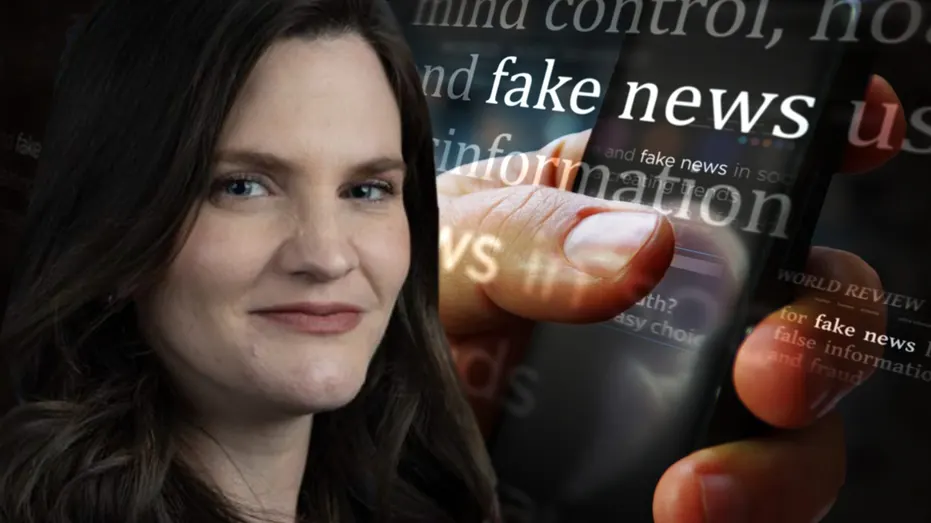
A four-year investigation by the Privacy and Civil Liberties Oversight Board found no evidence to support claims that disinformation fuelled domestic terrorism. The article argues that government efforts to encourage social media companies to restrict content nevertheless raised serious free-speech concerns, and says the findings matter as a warning against repeating those practices.
The article describes four lessons, though the supplied text ends before giving them all: encouraging platforms to suppress speech is an extreme response, and avoiding explicit government coercion alone does not protect civil liberties. It says officials pushed platforms to label, limit or remove content without first establishing whether it was foreign, unprotected or likely to cause imminent harm. Many communications took place privately, becoming public through lawsuits; President Donald Trump issued an executive order in January 2025 to end the practice.
In short
- A review found no evidence linking disinformation to domestic terrorism.
- Officials encouraged platforms to restrict a broad range of speech.
- The article warns that safeguards must protect civil liberties.
Steelman: both sides, in good faith
The strongest fair case each way — we don't pick a winner.
The case for
Supporters of government engagement argue that officials have a duty to help the public respond to foreign influence campaigns and potentially harmful falsehoods, especially when online content may contribute to real-world risks. They may see requests to platforms for labels or limits as a way to reduce harm while leaving companies to make their own decisions, rather than as direct censorship.
The case against
Critics argue that government pressure on platforms can chill lawful speech even when it is framed as voluntary, particularly when officials have not established that content is foreign, unprotected or likely to cause imminent harm. They contend that private, difficult-to scrutinise communications weaken accountability and that the reported lack of evidence linking disinformation to domestic terrorism counsels against repeating such practices.
Explained simply
The Privacy and Civil Liberties Oversight Board is a government body that examines how national security work affects people’s rights. Its investigation looked at claims that false or misleading information on social media helped drive terrorism within the United States.
The story concerns contacts between government officials and social media companies about posts they considered harmful. Platforms can label, limit or remove content, while the US Constitution protects freedom of speech and places limits on government action.
The issue matters because officials may seek to prevent harm while also respecting those rights. Private communications can make it harder to see how much influence the government had, and the debate raises questions about what safeguards should apply.