Politics news and discussion on TalkFuse.
Leasehold reform bill to end ‘feudal’ system and cap ground rents
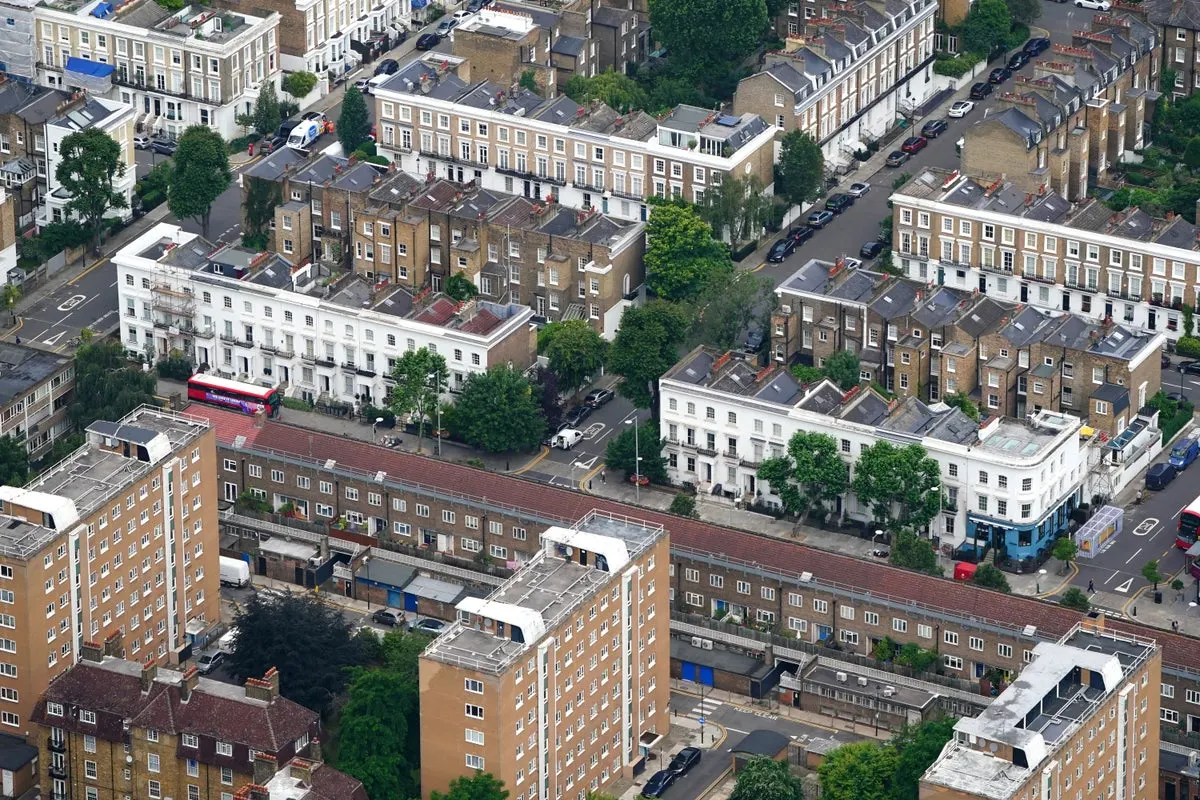
The Government will present a bill to Parliament aimed at replacing England and Wales’s leasehold system with commonhold and giving existing leaseholders more control and protection. It matters because the proposals would change how people own and manage their homes, including making it easier to challenge charges and extend leases.
The bill would cap annual ground rents at £250, simplify and reduce the cost of buying a freehold or extending a lease, and ban leasehold for new homes and flats. More than three million leaseholders are expected to gain protection from having to pay their landlord’s legal costs when disputing service charges. From November 2027, the Government plans to require detailed information about charges, including building insurance costs.
In short
- A bill proposes a £250 annual cap on ground rents.
- Leasehold would be banned for new homes and flats.
- More than three million leaseholders would gain new protections.
Steelman: both sides, in good faith
The strongest fair case each way — we don't pick a winner.
The case for
Supporters argue that leaseholders often face high or opaque charges while having limited power over decisions about their homes. Capping ground rents, making freehold purchases and lease extensions simpler, and enabling residents to challenge charges could improve affordability, security and accountability; ending leasehold for new homes would also encourage a form of ownership that gives residents more control.
The case against
Critics may accept the case for protecting leaseholders while arguing that a broad statutory overhaul could disrupt existing property arrangements and create uncertainty for owners, landlords and lenders. A ground-rent cap and limits on recovering legal costs could reduce the value of investments made under current rules, while shifting freehold ownership to commonhold may bring new shared-management responsibilities and disputes rather than remove them.
Explained simply
Leasehold means owning the right to live in a home for a set period, while a freeholder owns the property or land and may charge ground rent. Many flats in England and Wales are leasehold, and leaseholders can also pay service charges for building maintenance and insurance.
Commonhold is a different form of ownership in which people own their individual homes and share responsibility for managing common areas. The proposed changes would affect the relationship between homeowners and freeholders, including how charges are set and disputed, and how leases can be extended or bought out.