Technology news and discussion on TalkFuse.
Pinterest offers AI content controls as TikTok tests a feed slider
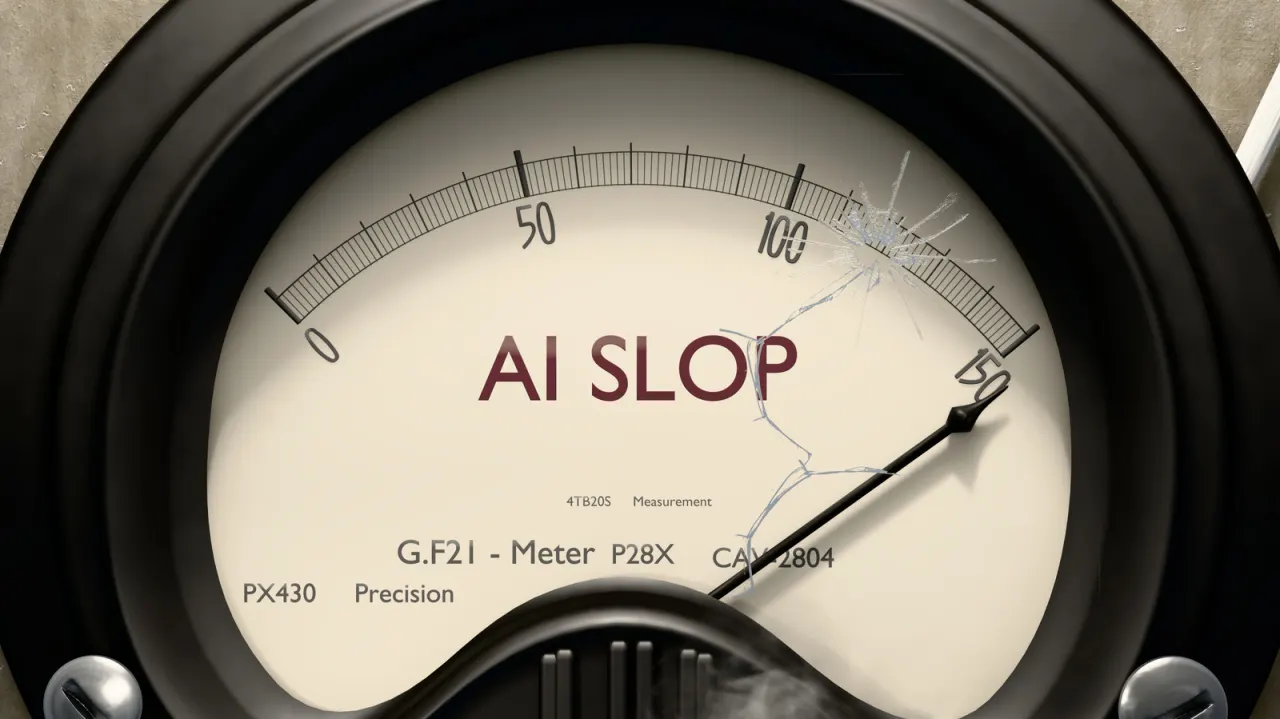
AI-generated posts are appearing across social media, making feeds harder to trust and leaving users with limited control over what they see. Some platforms now offer tools to reduce such content, while others rely on users’ feedback to adjust recommendations.
Pinterest lets users reduce AI content in selected categories, and TikTok is testing a slider that is not yet available to everyone. LinkedIn uses classifiers to limit the reach of low-quality AI posts and offers a “Seems like AI slop” report option; the article says this began in July 2026. Instagram, Facebook, YouTube and X have no dedicated AI filter, but users can skip unwanted posts or mark them as not interesting. Filters may miss content when labels or metadata are lost through editing or reuploading.
In short
- Pinterest, TikTok and LinkedIn offer ways to reduce AI content.
- Other platforms rely on feedback to shape recommendations.
- Filters can miss AI posts when identifying metadata is lost.
Steelman: both sides, in good faith
The strongest fair case each way — we don't pick a winner.
The case for
Giving users controls to reduce AI-generated posts can make feeds feel more trustworthy and relevant, particularly for people who find synthetic or repetitive content low quality. Category-level filters and adjustable recommendations let users shape their own experience without requiring platforms to remove AI content altogether.
The case against
Dedicated AI filters may misclassify posts, especially when labels or metadata are missing, and could hide useful or creative work simply because it was made with AI. Relying on classifiers or extra user controls may also shift responsibility onto users while leaving the underlying quality and transparency problems unresolved.
Explained simply
Social media platforms decide which posts appear in people’s feeds using recommendation systems. As AI tools make it easier to produce images, videos and text, AI-made posts have become more common, and it can be hard to tell how they were created.
Pinterest, TikTok and LinkedIn are among the platforms trying different ways to let users limit or report some AI content. Other platforms rely more on general feedback, such as skipping a post or marking it as uninteresting. These controls matter because they affect what people see, but they may not catch every AI-made post, especially if information identifying it has been removed.
Read the full article at the source →
Originally published by Engadget as “You can block AI slop and spam on these social media platforms”.