Politics news and discussion on TalkFuse.
‘Genocide’ has become totally political
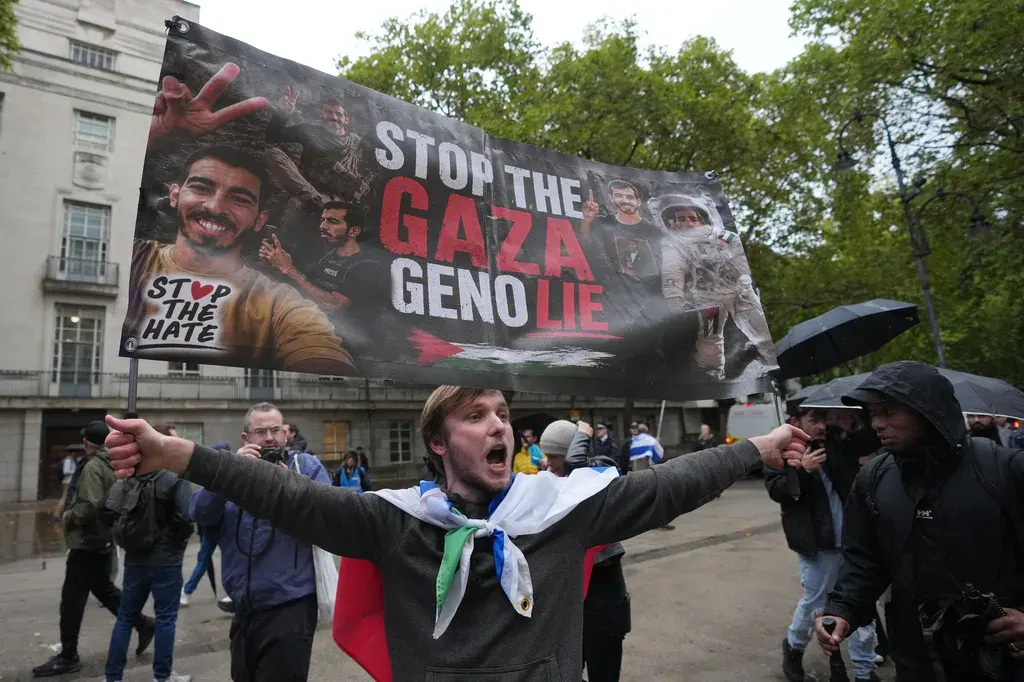
The International Court of Justice ruled that Myanmar committed genocide against the Rohingya, a Muslim minority targeted in a devastating military campaign in 2017. The article says the ruling is being viewed as a warning to Israel, which faces a separate genocide case over the war in Gaza, and argues that public confusion over the legal meaning of genocide has made the accusation increasingly political.
The author contends that genocide is a grave charge under international law, but that its use as a political condemnation distracts from efforts to secure peace. The supplied text does not give details of the court’s legal reasoning or the terms of its ruling; it focuses on the wider debate about how the accusation is understood and applied.
In short
- The ICJ ruled Myanmar committed genocide against the Rohingya.
- The ruling is being linked to Israel’s Gaza genocide case.
- The author says political use of the term distracts from peace efforts.
Steelman: both sides, in good faith
The strongest fair case each way — we don't pick a winner.
The case for
Calling the accusation political can help distinguish a court’s specific legal finding from public rhetoric, and guard against treating the term as a general expression of outrage. Because genocide is a grave legal charge, careful use may preserve its meaning and keep attention on evidence, legal process and practical steps to protect civilians and secure peace.
The case against
Calling the accusation political may itself minimise serious allegations or shift attention from the conduct being examined to the motives of those raising concerns. Public debate can put pressure on institutions to investigate and act, and a court’s legal standards need not prevent people from using the term in moral or political argument while proceedings continue.
Elections Middle East Politics World