World news and discussion on TalkFuse.
Tom Brady and Terry Bradshaw roast Aaron Rodgers for McCarthy breakup; both feuded with their coaches
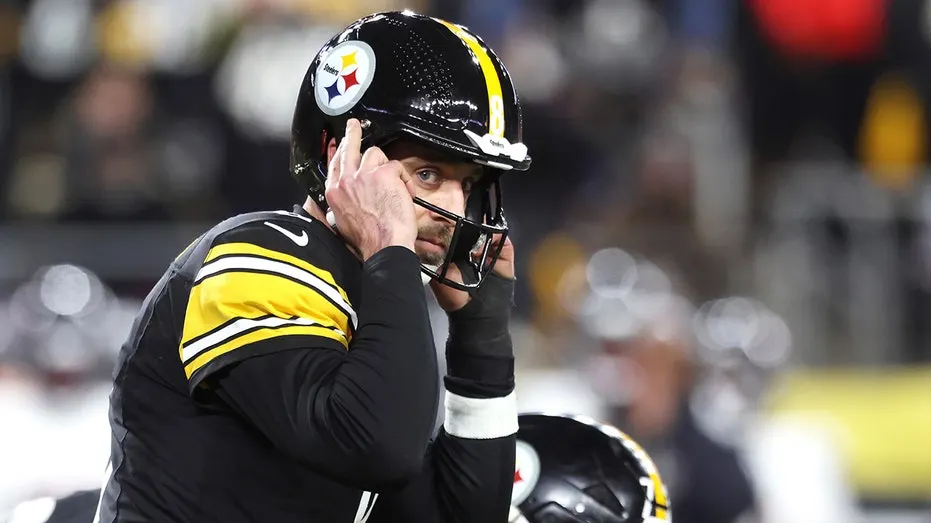
Tom Brady and Terry Bradshaw criticised Aaron Rodgers for publicly airing grievances about Pittsburgh Steelers coach Mike McCarthy, arguing that players should protect their teammates and coaching staff. The article says their comments overlooked relevant history and argues that Rodgers’ criticism was directed at McCarthy and the organisation, not his teammates.
Rodgers said he confronted McCarthy because he believed his status let him speak up for frustrated players with less job security. No current Steelers player publicly said his claims were false, and former coach Mike Tomlin said the team loved and appreciated Rodgers. The article also notes that Brady once berated coordinator Josh McDaniels in public and that reports of tension with Bill Belichick became prominent in 2019, while distinguishing those episodes from Rodgers’ interview.
In short
- Brady and Bradshaw faulted Rodgers for airing grievances about McCarthy.
- Rodgers said he spoke up for frustrated teammates.
- The article notes Brady’s own public and reported coaching disputes.
Steelman: both sides, in good faith
The strongest fair case each way — we don't pick a winner.
The case for
Brady and Bradshaw's position rests on the view that a team is a shared enterprise in which disagreements belong behind closed doors, where coaches can be challenged without weakening their authority in front of the locker room or opponents. Public criticism of a head coach, they would argue, erodes the trust a staff needs to make hard decisions and suggests to teammates that loyalty is conditional. Their reference to past episodes is a reminder that frustration is common in football and that the norm of protecting the group exists because it has worked, not a claim of hypocrisy. Both men spent their careers in organisations that expected this discipline, and they value it as a foundation of team success.
The case against
Rodgers' defence is that a veteran's standing carries a responsibility to speak for players who lack the security to speak for themselves, since those on short or unstable contracts risk their livelihoods by raising concerns. From this view, private channels often fail to produce change, and a senior player who addresses a coach directly is doing what accountability requires rather than attacking teammates. Criticism aimed at a coach's decisions and an organisation's direction is distinct from criticism of colleagues, and a culture that discourages it can shield poor judgement from scrutiny. His supporters would add that the team's own response, including praise from former leadership, suggests the disagreement concerned football decisions rather than personal disloyalty.