World news and discussion on TalkFuse.
ICE agent Gregory Morgan faces 6 years in prison in case that could open ‘floodgates’ for prosecutions, lawyers warn
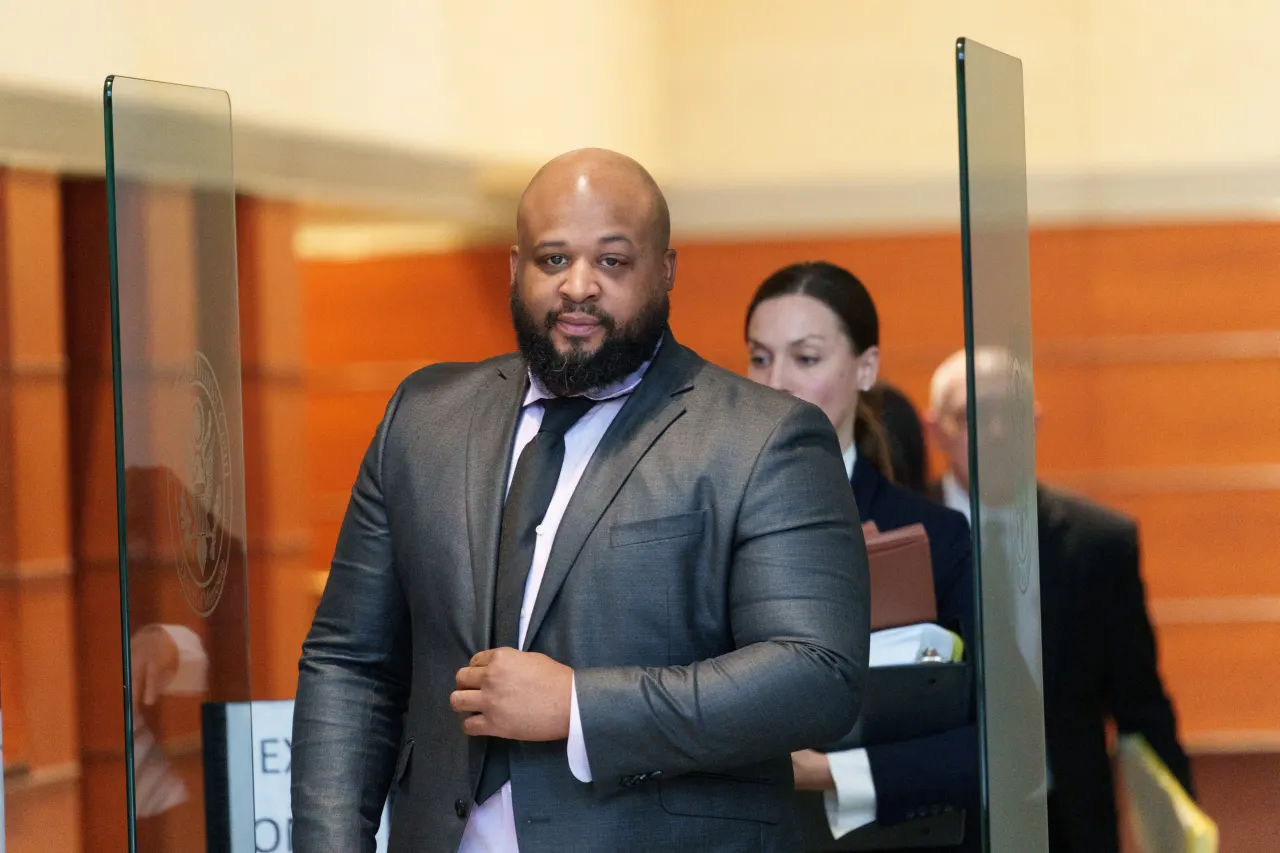
ICE agent Gregory Morgan faces up to six years in prison on two assault charges arising from a Minnesota highway encounter in which nobody was injured. His lawyers are seeking to keep the case in federal court, arguing that its outcome could affect whether state and local prosecutors can bring criminal cases against federal officers for conduct linked to their official duties.
Morgan was charged with two counts of second-degree assault with a dangerous weapon after the 5 February encounter during Operation Metro Surge. His lawyers say he was returning to base under orders and displayed his gun after a car allegedly swerved in front of him; prosecutors say he used the road shoulder to pass traffic and pointed his gun at the car’s occupants. The dispute centres on a federal law, with roots dating to the War of 1812 and expanded in 2011, that allows officers to move certain state charges to federal court if their alleged conduct is sufficiently connected to their duties and they have a plausible federal defence.
In short
- Morgan faces up to six years over a highway encounter with no injuries.
- His lawyers say federal protections should keep the case in federal court.
- Prosecutors and the defence dispute whether his actions related to his duties.
Steelman: both sides, in good faith
The strongest fair case each way — we don't pick a winner.
The case for
Those supporting the move to federal court argue that federal officers should not face prosecution by individual states for actions taken while carrying out federal duties, since this could expose them to inconsistent legal standards and hostile local jurisdictions. They contend that the removal statute, which dates back to 1815 and was broadened in 2011, exists precisely to shield agents from being penalised for lawful conduct under federal orders, and that a federal forum is better placed to assess whether an officer's actions were within the scope of his duties. From this view, protecting the capacity of federal law enforcement to act without fear of politically motivated state charges is essential to the consistent enforcement of national law.
The case against
Those who favour keeping the case before state prosecutors maintain that no officer should be placed beyond the reach of local criminal law when an alleged assault has endangered members of the public, and that the people of Minnesota have a legitimate interest in deciding how incidents on their own roads are investigated and tried. They argue that broad interpretations of federal immunity could effectively give federal agents a licence to act with impunity, undermining public trust and the principle that the law applies equally to everyone. In their view, a federal defence should be tested on its merits in court rather than used to remove cases from state jurisdiction at the outset.
Explained simply
ICE, short for Immigration and Customs Enforcement, is the US federal agency responsible for enforcing immigration law. One of its agents, Gregory Morgan, faces two state assault charges over a highway encounter in Minnesota in early February, in which nobody was injured. Prosecutors say he used the road shoulder to pass traffic and pointed his gun at the occupants of a car, while his lawyers say he was returning to base on orders and displayed his weapon after the car swerved in front of him.
The central dispute is about which court should hear the case. Morgan's lawyers want it moved from state court to federal court under a law dating back to the War of 1812 and expanded in 2011. That law allows federal officers to transfer certain state cases if their alleged conduct is closely connected to their official duties and they have a plausible federal defence.
The outcome matters beyond this one case because it could affect whether state and local prosecutors can bring criminal charges against federal officers for actions linked to their work. That question touches on how accountability is balanced against federal authority, and it has drawn attention from lawyers who say the answer could have wide consequences.