187 Years Ago, a Gothic Horror Story Beat Edgar Allan Poe to the Locked-Room Mystery
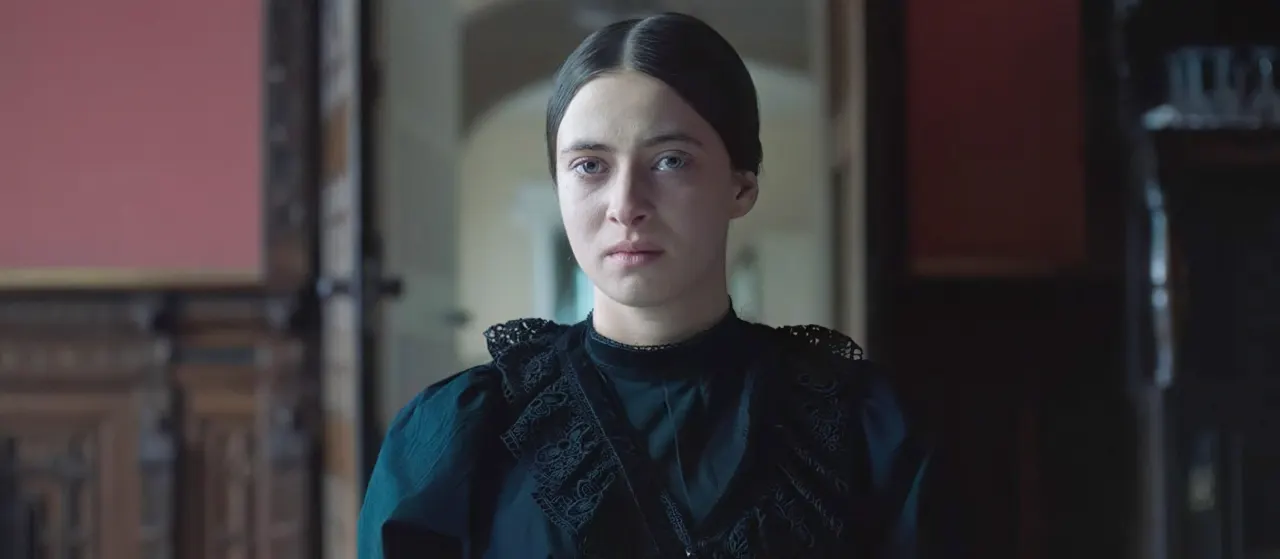
Sheridan Le Fanu’s 1838 story “A Passage in the Secret History of an Irish Countess” presented a locked-room murder mystery three years before Edgar Allan Poe’s “The Murders in the Rue Morgue”. The article argues that Le Fanu’s Gothic fiction deserves recognition for helping establish the genre’s use of isolated settings and mysteries rooted in human malice.
The story follows young heiress Maud Ruthyn, whose father sends her into the care of her reclusive, disreputable Uncle Silas. At his mansion, Bartram-Haugh, a debtor is found dead in what appears to be a suspicious suicide, and Maud is drawn into trying to clear Silas’s name. Le Fanu later expanded the story into his 1864 novel *Uncle Silas*, blending eerie, possibly supernatural details with the danger posed by adults exploiting a vulnerable child.
In short
- Le Fanu’s 1838 story featured a locked-room mystery.
- It appeared three years before Poe’s famous tale.
- *Uncle Silas* mixes Gothic dread with human manipulation.
Steelman: both sides, in good faith
The strongest fair case each way — we don't pick a winner.
The case for
Le Fanu’s earlier story merits a more prominent place in mystery history: its locked-room murder predates Poe’s famous tale, and its isolated setting and human motives anticipate features later associated with the genre. Recognising this contribution would give a fuller account of how detective fiction developed and bring attention to a writer whose Gothic work shaped later storytelling.
The case against
An earlier locked-room plot does not by itself establish that Le Fanu founded or substantially shaped the detective genre; similarities can arise without direct influence, and Poe’s story may have developed the form in a more sustained or recognisable way. The case for revising the genre’s history should therefore rest on evidence of influence and literary innovation, rather than chronology alone.
Explained simply
Sheridan Le Fanu was a nineteenth-century Irish writer known for Gothic fiction, stories that use fear, secrecy and gloomy settings. His 1838 tale about an Irish countess centres on a murder that appears to have happened in a locked room, a puzzle later associated with detective fiction.
The story follows Maud Ruthyn, a young heiress sent to live with her reclusive uncle Silas at his mansion, Bartram-Haugh. When a debtor is found dead there, Maud tries to understand what happened and whether Silas is responsible. Le Fanu later developed the tale into his novel Uncle Silas, which mixes eerie uncertainty with the danger Maud faces from adults around her.
Horror Paranormal Weird & Viral