2026 Subaru Outback review: Great interior, refined drive, divisive looks
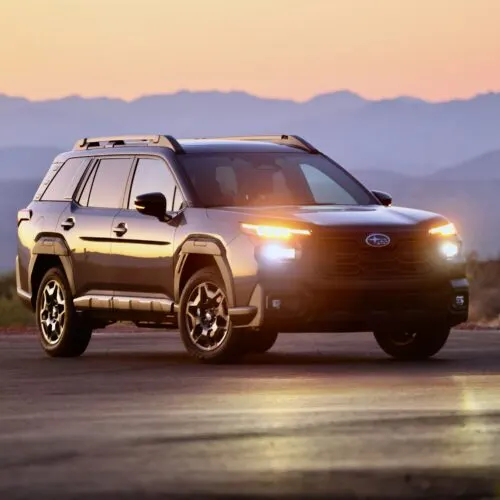
Ars Technica's review of the 2026 Subaru Outback finds the model has abandoned its long-standing wagon shape for a boxier, more upright SUV-style silhouette, marking a departure from the design language that has defined it since 1995. While the reviewer considers the new exterior less attractive than previous generations, they argue the change delivers real practical benefits, with the added height significantly boosting passenger and cargo space, making the shift more about function than aesthetics.
The 2026 Outback comes in six trim levels priced from roughly $36,000 to just under $49,000, all with standard all-wheel drive, while the off-road-oriented Wilderness trim sits 0.8 inches higher with all-terrain tyres; the tested Limited trim cost $43,165. Inside, the reviewer praises a cleaner dashboard with physical climate controls, a faster and clearer 12.1-inch infotainment screen, a 12.3-inch digital instrument cluster, ample USB ports, wireless charging and a strong-performing 12-speaker Harman Kardon sound system, though they criticise the cheap-feeling mesh fabric trim on the doors and dashboard.
In short
- 2026 Outback ditches wagon look for a boxier SUV-style design
- Exterior divisive, but interior space and tech notably improved
- Prices range from about $36,000 to just under $49,000
Steelman: both sides, in good faith
The strongest fair case each way — we don't pick a winner.
The case for
The practical benefits of the redesign are substantial and serve genuine customer needs—the increased height and boxier profile significantly improve passenger and cargo space, making the vehicle more versatile for families and those requiring utility. Consumer preferences have increasingly shifted towards SUV-style vehicles, and Subaru's decision to align the Outback with this preference whilst maintaining its core all-wheel-drive competency represents a sensible business decision that prioritises functionality over nostalgic attachment to a specific silhouette. The enhanced interior technology and features demonstrate that the company is modernising the vehicle rather than merely chasing trends.
The case against
The Outback's distinctive wagon heritage since 1995 represented a unique market position—it offered serious cargo capability without the visual bulk and inefficiency of traditional SUVs, appealing to customers who valued both practicality and a refined aesthetic that set it apart from the homogenised SUV marketplace. By abandoning this character in favour of a boxier SUV silhouette, Subaru risks losing the identity that made the Outback distinctive and potentially alienates longtime customers who specifically sought an alternative to conventional SUVs. The change suggests the company is following market trends rather than confidently maintaining its own design language.
Explained simply
The Subaru Outback is a family car known for combining the lower shape of a station wagon with all-wheel drive and some ability on rough roads. Subaru has sold it since 1995, and its long, wagon-like design has helped set it apart from more conventional SUVs.
The 2026 model adopts a taller, squarer shape, which changes the Outback’s appearance and gives passengers and luggage more room. It is offered in six versions, all with all-wheel drive; the Wilderness version is aimed at people who drive on rougher terrain. The redesign matters because it shifts the balance between the Outback’s familiar look and the practical space buyers may want.