Technology news and discussion on TalkFuse.
Proprietary phone connectors gave way to shared charging standards
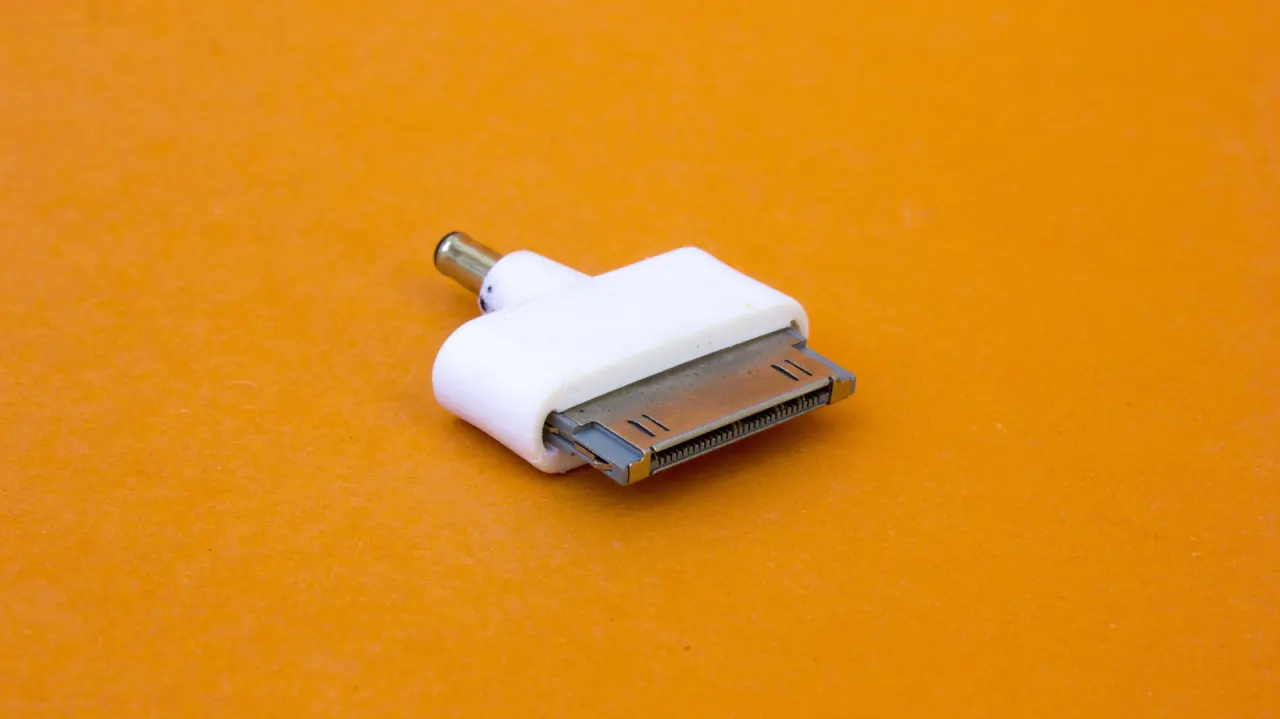
Before USB-C became the common phone connector, manufacturers used a range of proprietary ports for charging, data and audio. Their variety made accessories less interchangeable and contributed to electronic waste, while the shift towards shared standards helped simplify charging and file transfers.
The article describes Motorola’s large 17-pin CE Bus, Nokia’s accessory-focused Pop-Port, Apple’s wide iPod connector, and Sony Ericsson’s 12-pin FastPort. Each had distinct features and drawbacks, from accessory support to fragile clips, before newer standards such as Mini-USB, Micro-USB, Lightning and USB-C replaced them. The supplied article text cuts off during its fifth example, the HTC Dream’s connector.
In short
- Older phones used several incompatible charging ports.
- Some ports also carried audio and data.
- USB-C helped standardise phone connections.
Explained simply
Phone makers once chose their own connectors for charging phones, moving files and attaching accessories. Motorola, Nokia, Apple and Sony Ericsson each used different designs, so a cable or accessory that worked with one brand often could not be used with another.
As phones changed, smaller shared standards such as Mini-USB and Micro-USB spread, followed by Apple’s Lightning connector and USB-C. The move towards common connections made it easier to reuse chargers and transfer files, and reduced the need for separate accessories that could become electronic waste.
Read the full article at the source →
Originally published by Engadget as “5 old-school charging ports you probably forgot phones had before USB-C”.