Technology news and discussion on TalkFuse.
Damaged charging leads can overheat, risking burns, shocks and fires
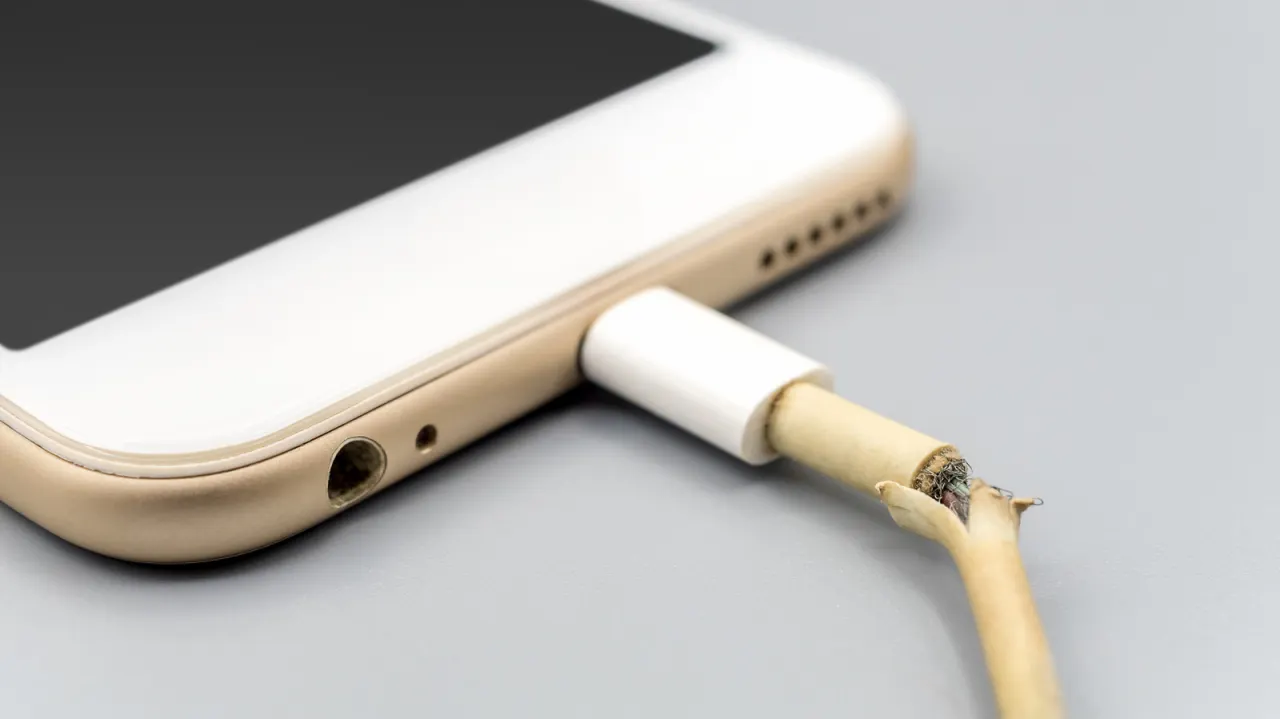
Worn or damaged charging cables can overheat and harm users or devices, even if they still appear to work. Replacing a compromised cable is a small cost compared with the potential risks of burns, electric shock, device damage or fire.
Repeatedly pulling a cable by its wire and bending it at the ends can break the fine metal strands inside. The remaining strands may continue carrying current, but increased resistance can concentrate heat, particularly during fast charging; safety features and household circuit breakers may not prevent this. Tape can cover a split but cannot repair internal damage, and charging under bedding can trap heat.
In short
- A cable can remain usable while becoming unsafe inside.
- Internal damage can cause heat, burns, shock or device damage.
- Replace compromised cables; tape does not repair broken strands.
Explained simply
Charging cables carry electricity from a power source to a phone or other device. Inside the outer covering are thin metal strands; repeated bending or pulling can damage them while leaving enough connection for the cable to keep working.
Damage can make the cable heat up as electricity passes through it, especially during fast charging. A split outer layer may also expose users to electric shock, and heat can damage devices or start a fire. Covering a split with tape does not fix damage inside the cable, while bedding can trap heat around it.
The issue matters in homes because cables are handled and bent often, and a faulty one may not look obviously unsafe. Safety features in chargers or household circuits may not prevent every hazard from a damaged lead.
Read the full article at the source →
Originally published by Engadget as “The dangers of using your old, damaged charging cables”.