An AI-supervised remote exam went so badly that 58,000 students must retake it
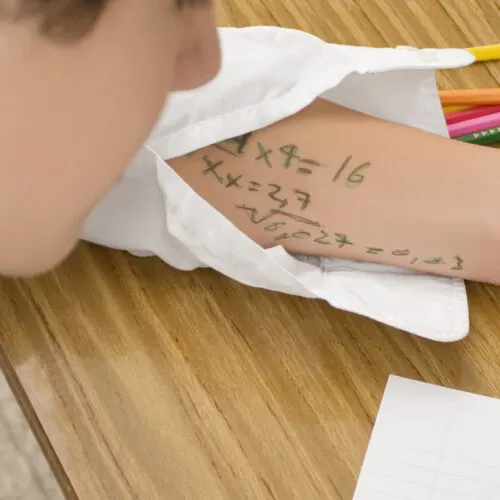
Nearly 160,000 applicants sat Mexico's UNAM university entrance exam remotely for the first time this year, using a lockdown browser and AI-powered webcam proctoring. The results were so anomalous compared with previous years that a specially convened expert commission has recommended around 58,000 people retake the test in person, after the remote format appears to have enabled widespread cheating despite the AI supervision meant to prevent it.
The proportion of students scoring 100 or more out of 120 jumped from an average of 3.5 per cent between 2021 and 2025 to 16.3 per cent this year, while those scoring 110 or more rose from 0.9 per cent to 5.5 per cent. The new "control exam" will apply to everyone who secured a place based on this year's results or on past minimum qualifying scores since 2021, with details expected imminently as classes are due to start on 10 August. UNAM's rector has apologised to honest candidates forced to retest, while reports suggest students may have exploited the remote setup by hiding phones, using off-screen devices to access AI chatbots, or even having someone else sit the exam for them.
In short
- UNAM found 58,000 students must retake its entrance exam.
- Remote AI-proctored exam saw scores spike suspiciously versus past years.
- Cheating tips reportedly circulated online before the test.
Steelman: both sides, in good faith
The strongest fair case each way — we don't pick a winner.
The case for
The statistical anomalies—scores of 100+ jumping from 3.5% to 16.3%—constitute stark evidence of systemic cheating that fundamentally undermines the examination's validity. Retesting protects honest candidates from unfair disadvantage and ensures places go to genuinely qualified students. UNAM's core responsibility is maintaining academic rigour, and retesting is the only way to salvage institutional credibility in this compromised cohort.
The case against
Retesting tens of thousands of students unfairly penalises the innocent for the university's failure to implement adequate safeguards, effectively shifting institutional accountability to applicants who behaved honestly. Many students face genuine hardship—preparation time, anxiety, logistical disruption—for a system failure they did not cause. A more equitable remedy would precisely target students with concrete evidence of misconduct, or offer compensation to affected candidates, rather than using collective statistical measures that burden honest performers.
Explained simply
UNAM is Mexico’s National Autonomous University, a large public university where places are awarded through a competitive entrance exam. The test covers several subjects, and applicants need a qualifying score to secure a place.
This year, many applicants took the exam at home for the first time. A lockdown browser restricted what they could do on their computers, while AI-assisted webcam monitoring was intended to check that they followed the rules.
The exam results are used to decide who can study at UNAM, so unusual scores can affect both applicants and the fairness of admissions. The university has appointed experts to assess the results, and its rector has apologised to candidates who followed the rules but may be asked to prove their scores again.