Politics news and discussion on TalkFuse.
Andy Burnham’s Brexit betrayal in full — from freedom of movement to a second referendum
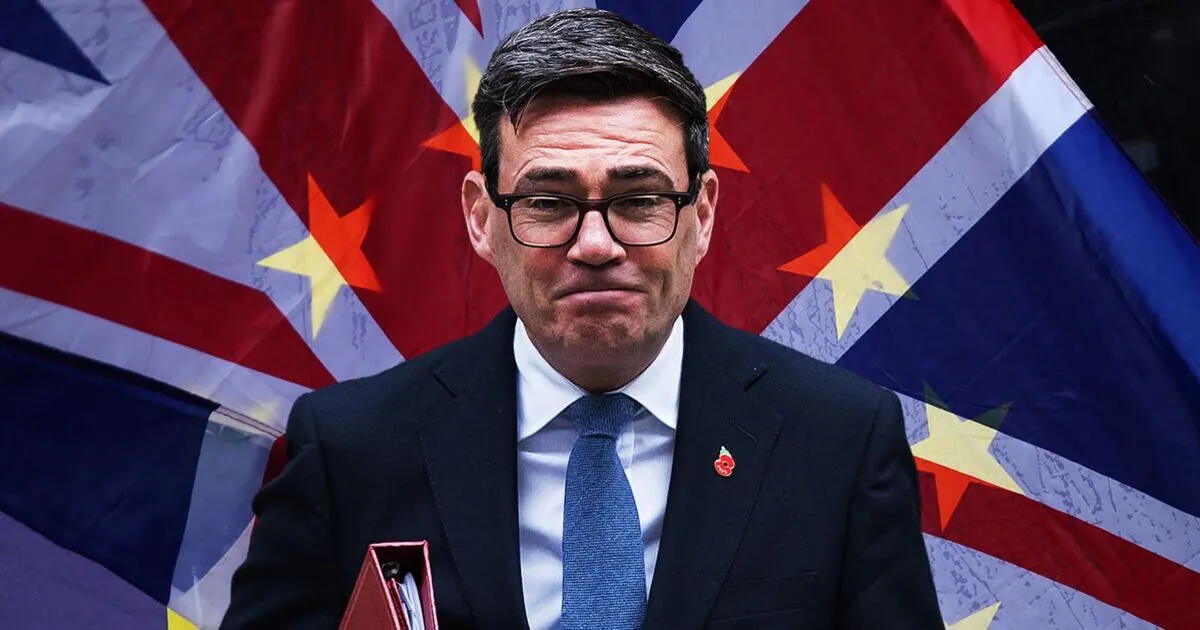
Michel Barnier said the UK would have to accept freedom of movement to rejoin the EU single market or customs union, ruling out a bespoke arrangement. The comments sharpen debate over Prime Minister Andy Burnham’s push to examine closer ties with Brussels, which critics say risks reopening Brexit and disregarding the 2016 referendum.
Burnham has called the current UK-EU deal inadequate and said migration needs an “honest discussion”, but said he would not restore freedom of movement without a referendum. He told ministers not to advocate particular options while the Government explores long-term arrangements for the next Parliament, after which it plans to explain their merits and drawbacks to the public.
In short
- Barnier says single-market membership requires freedom of movement.
- Burnham says any fundamental change is for the public to decide.
- The Government is examining long-term EU options for the next Parliament.
Steelman: both sides, in good faith
The strongest fair case each way — we don't pick a winner.
The case for
Closer ties with the EU could improve trade and address shortcomings in the current UK-EU deal, and examining options now may help the next Parliament make an informed choice. Supporters can argue that any major change, including restoring freedom of movement, should be presented openly and put to voters rather than ruled out in advance.
The case against
Rejoining the single market or customs union on the terms Barnier describes would entail accepting freedom of movement, a significant change to the migration settlement chosen after the 2016 referendum. Critics can argue that exploring closer ties risks reopening that decision and creating uncertainty, and that ministers should be clear about the trade-offs before pursuing a new arrangement.
Explained simply
The UK left the European Union after the 2016 referendum. Since then, its relationship with the EU has been governed by agreements covering trade and cooperation, while people from EU countries no longer have the automatic right to live and work in the UK that came with freedom of movement.
The EU single market allows goods, services, money and people to move between member countries under shared rules; a customs union removes most tariffs on trade between its members. Michel Barnier, a former EU negotiator, says the UK could not join either on special terms without accepting freedom of movement.
Andy Burnham, the UK Prime Minister, says the current arrangements are inadequate and wants the Government to examine closer ties with Brussels. He says restoring freedom of movement would require another referendum, while critics argue that pursuing closer ties could reopen the Brexit debate and set aside the 2016 vote.