Asbestos mystery leaves beloved beach closed
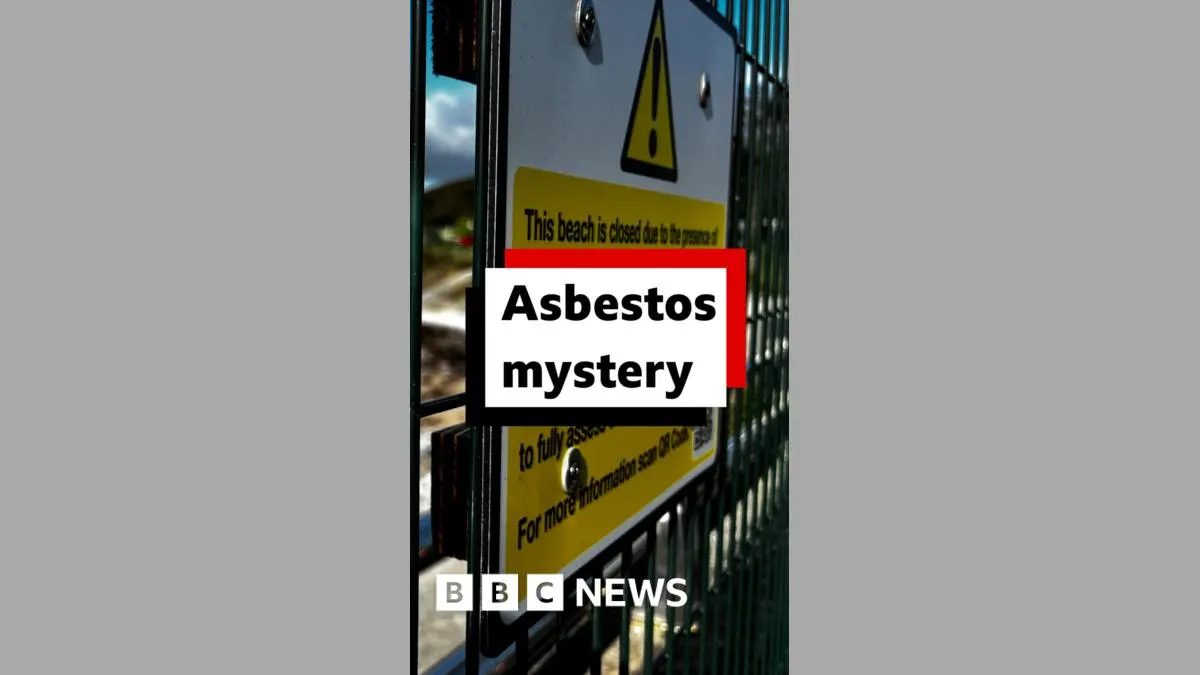
Mount Batten Beach in Plymouth has been closed since July after tests revealed dangerous levels of asbestos fibres in the sand that could pose a health risk if inhaled. The discovery marks an escalation of a problem that has persisted for more than six years, with toxic material washing ashore regularly and defying initial expectations that the contamination would decrease over time. The closure has devastated the local community, particularly elderly swimmers and those with mobility issues who valued the beach's accessibility and the social bonds formed there.
More than 1.5 tonnes of asbestos material, including both white and more dangerous blue varieties, has been cleared from the beach and nearby sites since 2019. Residents and environmental experts believe the asbestos originates from roofing and construction waste buried from the former RAF Mount Batten base, a major World War Two flying boat station that closed in 1992. Coastal erosion is exposing this buried material, releasing it into the sea. Despite two rounds of testing finding no airborne asbestos, the sand contamination alone was deemed serious enough to warrant the beach's closure whilst authorities investigate the source and devise a solution.
- Plymouth's Mount Batten Beach closed in July due to dangerous asbestos levels in sand
- Over six years, more than 1.5 tonnes of toxic material has washed ashore
- The source is suspected to be a former RAF base being exposed by coastal erosion
New here? Start with this
Mount Batten Beach in Plymouth has been closed since July after tests found dangerous levels of asbestos fibres in the sand. Asbestos is a material that was widely used in construction; when its fibres are inhaled, they can cause serious lung diseases. The contamination has prompted authorities to close the beach whilst they investigate the problem.
The asbestos is thought to come from construction waste buried from a former RAF base that operated on the site until 1992. Coastal erosion is gradually exposing this material and releasing it into the sea. The issue has persisted for more than six years, with authorities clearing over 1.5 tonnes of asbestos from the beach and nearby areas since 2019, yet contamination continues.
The beach has been particularly valued by elderly swimmers and people with mobility difficulties for its accessibility and social connections. The ongoing contamination has defied initial expectations that the problem would naturally diminish, leaving the community without a clear timeframe for when it might reopen.
Both sides, in good faith
The strongest fair case each way — we don't pick a winner.
The case for
The beach closure reflects essential public health protection given confirmed asbestos contamination including the most dangerous blue variety. With hazardous levels in sand, the problem worsening rather than improving over six years, and the contamination source still unidentified whilst coastal erosion continues, authorities cannot permit public access to a known carcinogen that causes irreversible lung disease. Precaution is both justified and necessary when facing such serious health risks.
The case against
Whilst asbestos contamination is undoubtedly concerning, the twice-confirmed absence of airborne fibres suggests the actual demonstrated risk may not warrant indefinite closure, which causes real hardship for vulnerable community members who depended on the beach's accessibility and the social connections it fostered. A more proportionate approach might combine intensive regular cleaning, clear public warnings, and managed access whilst authorities properly address the root cause at the buried RAF site. The genuine solution lies in remediating the source of erosion and contamination rather than maintaining a closure with no defined endpoint.