Attorney compares SEC commissioner Greg Sankey to ‘Kim Jong’ in LSU-RJ Luis eligibility lawsuit
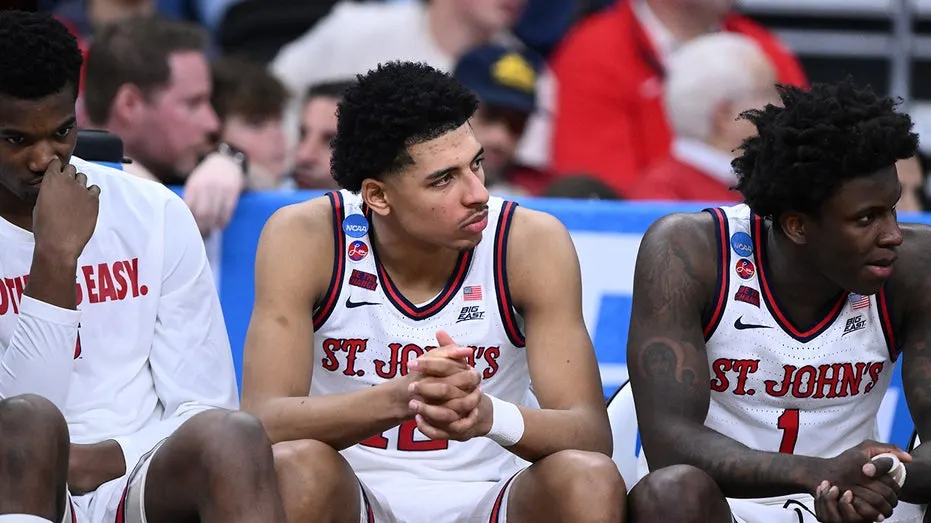
A Louisiana judge has allowed former St John’s basketball player RJ Luis to practise and play for LSU until a 13 November hearing, despite SEC rules barring athletes with professional experience. The ruling gives LSU temporary legal protection from conference penalties, but the university must decide whether to put him on the roster while the SEC continues to challenge related eligibility rulings.
Luis’s case is part of a wider dispute over eligibility rules and athletes’ professional experience. LSU previously kept two football players with NFL experience off its roster after the SEC threatened action and filed a federal lawsuit; attorney Tony Clayton says his amended claim gives Luis a path to play and compared SEC commissioner Greg Sankey to “Kim Jong”. The article does not include the full account of Clayton’s remarks or the outcome of the 13 November hearing.
In short
- RJ Luis can play for LSU until a 13 November hearing.
- The SEC bars athletes with professional experience.
- LSU must decide whether to roster him amid the legal dispute.
Steelman: both sides, in good faith
The strongest fair case each way — we don't pick a winner.
The case for
LSU can argue that a court has granted Luis temporary protection to practise and play, and that eligibility rules should be tested through a fair legal process rather than enforced through threatened penalties. If the rules are unclear or applied inconsistently, challenging them could protect athletes’ opportunities and universities’ ability to make roster decisions.
The case against
The SEC can argue that consistent conference eligibility rules are necessary to preserve fair competition and that professional experience may give some athletes an advantage over those who followed the established pathway. Allowing exceptions while the dispute is unresolved could undermine those shared rules, so the conference may reasonably seek to enforce them and contest the court’s temporary order.
Explained simply
US university sport has rules about how long athletes can compete and whether they can play after gaining professional experience. The Southeastern Conference, or SEC, sets rules for its member universities, including Louisiana State University (LSU), while courts can hear challenges to how those rules apply.
RJ Luis is a basketball player who previously played for St John’s and is seeking to compete for LSU. His lawyer, Tony Clayton, is challenging the SEC’s position, with Greg Sankey serving as the conference’s commissioner.
The dispute matters because a court decision could affect whether Luis can play and how the SEC enforces its eligibility rules. It also sits within a wider debate over professional experience and eligibility in US college sport.