Technology news and discussion on TalkFuse.
Australia’s datacentre boom fuels inflation before benefits reach households
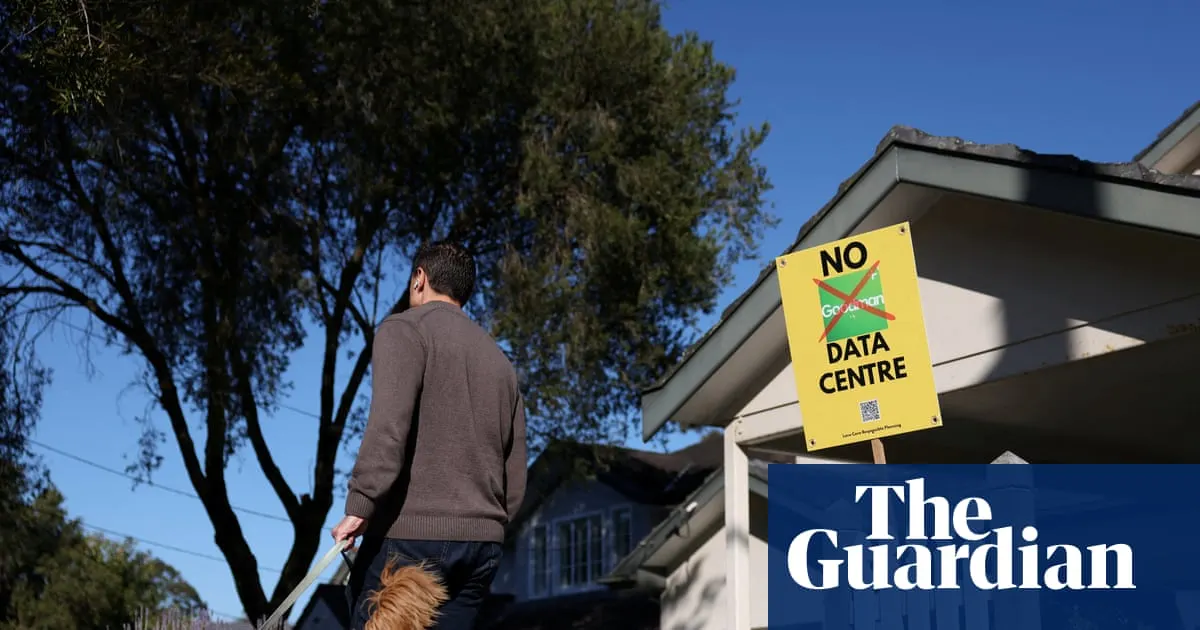
Australia’s datacentre investment boom is adding to inflationary pressure before its promised gains in productivity and living standards are clear. The article argues the government needs to explain why households should bear near-term economic costs for an AI expansion whose benefits remain uncertain, particularly as voter concern could make the issue politically damaging.
The Reserve Bank raised interest rates to an 18-year high and cited datacentre investment as one factor increasing demand in an already constrained economy. Deloitte estimates Australia’s $1.39 trillion investment pipeline includes 37 datacentres worth $141 billion, up 36% in a year. It says construction will bring economic activity, but imported equipment and limited staffing mean the direct payoff may be smaller and arrive later, while projects compete with housing and infrastructure for workers and materials.
In short
- Datacentre investment is adding to inflationary pressure.
- Australia’s 37 planned datacentres are valued at $141 billion.
- Productivity gains may arrive well after construction costs.
Steelman: both sides, in good faith
The strongest fair case each way — we don't pick a winner.
The case for
Datacentre investment could build infrastructure that supports AI, raises productivity and improves living standards over time. Construction also creates economic activity, and accepting some near-term pressure may be reasonable if the facilities enable lasting gains across the economy.
The case against
The costs are arriving sooner and more clearly than the promised benefits: datacentres add demand in a constrained economy and compete with housing and infrastructure for workers and materials. With much equipment imported and productivity gains uncertain or delayed, households may reasonably expect the government to explain who benefits and why they should bear the near-term strain.
Explained simply
Datacentres are large facilities that house computer servers and the equipment needed to store and process data. Demand for them is growing as businesses invest in artificial intelligence, which relies on substantial computing capacity.
In Australia, datacentre projects form part of a much larger investment pipeline and require buildings, power and specialist equipment. Their construction can add to demand for workers and materials, which are also needed for homes and public infrastructure.
Supporters expect these facilities to help businesses become more productive over time, but how much households will benefit, and when, is uncertain. The debate is about how to weigh those possible gains against near-term costs such as pressure on prices and competition for scarce resources.
AI Americas Elections Politics Software Technology World
Read the full article at the source →
Originally published by The Guardian as “Australians are yet to see the benefits of AI and datacentres – and US midterms show they could be political kryptonite”.