Culture news and discussion on TalkFuse.
Bar fight: Hugo cocktail takes aim at Aperol in UK summer of spritz
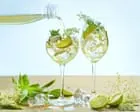
The Hugo, an elderflower-based spritz, is rapidly gaining popularity in Britain and is challenging Aperol’s dominance during the summer cocktail season. Its rise reflects a broader shift towards lighter, longer drinks consumed in the late afternoon, particularly among younger drinkers, and has expanded the market for colourful, social-media-friendly spritzes.
Orders for Hugo spritzes in bars almost tripled in the three months to June, representing a 196% year-on-year increase, while Aperol spritz sales rose 13%, Campari spritzes 52% and limoncello versions 31%. The Hugo combines prosecco, elderflower liqueur, soda water and mint; Bacardi says sales of its St-Germain elderflower liqueur have doubled over 12 months. Aperol remains the UK market leader, but spritzes are now Gen Z’s favourite cocktail and Campari’s UK aperitif-brand sales rose by more than 10% in the first half of the year.
In short
- Hugo spritz sales are rising sharply in UK bars.
- Younger drinkers are driving demand for lighter afternoon cocktails.
- Aperol still leads, but rival spritzes are gaining ground.
Explained simply
A spritz is a long, fizzy drink usually made with sparkling wine, a bitter or sweet aperitif and soda water. Aperol, an orange-coloured Italian aperitif, has become the best-known base for spritzes in Britain.
The Hugo is a newer variation, made with prosecco, elderflower liqueur, soda water and mint. St-Germain is one brand of elderflower liqueur; Bacardi, which owns it, says its sales have risen.
The drinks’ popularity reflects demand for lighter cocktails often shared in social settings, especially among younger drinkers. Their growth matters to drinks makers and bars competing for a larger share of the summer cocktail market.
Art Business Cricket Culture Sport UK World