Bill Maher Has A Word For Luigi Mangione “Groupies”
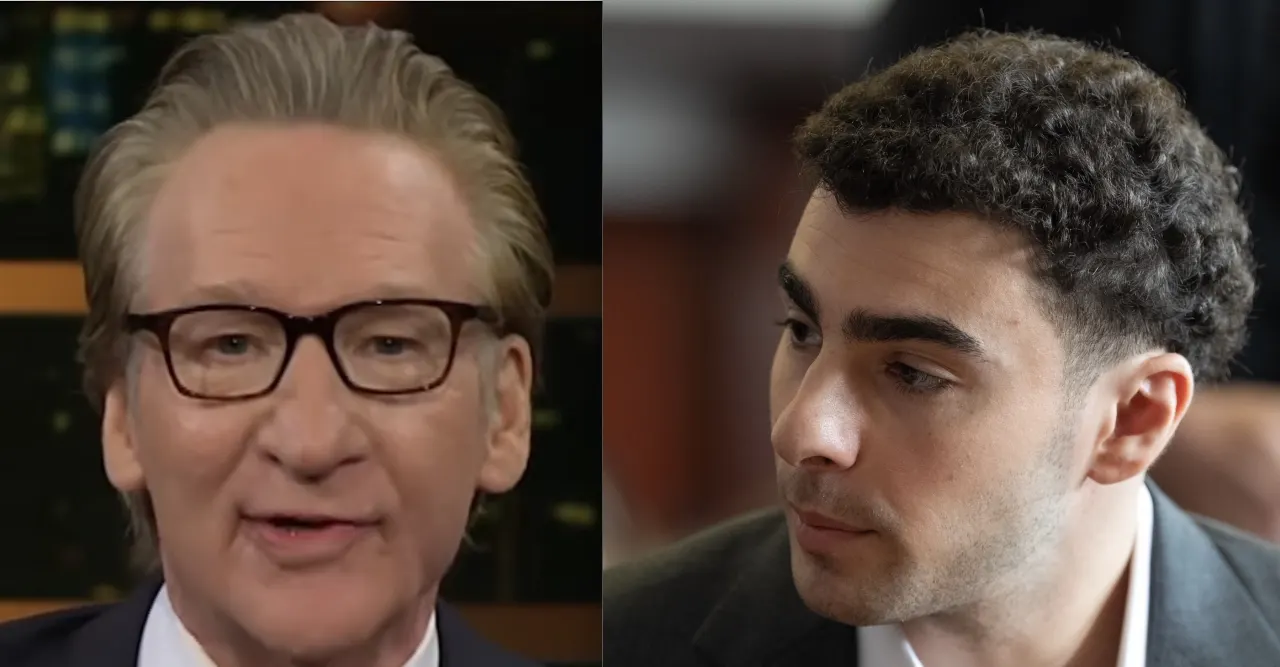
Bill Maher criticised supporters of Luigi Mangione during the opening monologue of HBO’s Real Time, after Mangione pleaded guilty to federal stalking charges connected to the 2024 killing of UnitedHealthcare chief executive Brian Thompson. Maher mocked people he called “Mangionistas” for questioning whether the plea amounted to an admission of guilt, despite Mangione acknowledging in court that he shot Thompson and knew his actions were illegal.
Mangione said he had endured severe pain from a broken back for years and used a 3-D printer to make the gun. His state murder trial over Thompson’s killing on 4 December 2024 is due to begin jury selection on 8 September; Maher also made jokes about a separate report concerning Donald Trump.
- Maher mocked Mangione supporters after his guilty plea.
- Mangione admitted shooting Brian Thompson.
- Jury selection in the state murder trial begins 8 September.
New here? Start with this
UnitedHealthcare is a large American health insurance company, and Brian Thompson led it as chief executive. He was shot dead in New York in December 2024. Luigi Mangione, a 27-year-old man, faces criminal cases over the killing in both federal and New York state courts.
The case has drawn attention beyond the courtroom, including debate over health insurance and public anger at insurers. Some people have expressed support for Mangione or questioned how to interpret his court statements. Bill Maher is an American comedian and television host whose political monologues often comment on current events.
Both sides, in good faith
The strongest fair case each way — we don't pick a winner.
The case for
Mangione explicitly acknowledged in court that he committed the shooting and understood it was illegal—his guilty plea is a factual admission, not a matter of interpretation. Those who continue to question it are engaged in denial, however sympathetically motivated. A person's suffering, however genuine, does not erase the reality of harm caused to their victim; elevating someone to folk-hero status despite their explicit admission of lethal violence trivialises the actual loss suffered by Thompson's family.
The case against
Supporters are not typically disputing the factual reality that Mangione shot Thompson; rather, they are questioning the moral context and systemic healthcare failures that drove someone to such desperation. Maher caricatures this as mere fandom when it is often a critique of corporate healthcare's cruelty. Understanding Mangione's anguish and the systems that produced it—whilst accepting that he committed the act—is intellectually coherent, and dismissing such concerns as "groupie" behaviour avoids engagement with substantive arguments about institutional accountability.