Brandt Snedeker is right to shut down the outside demand for younger Presidents Cup picks
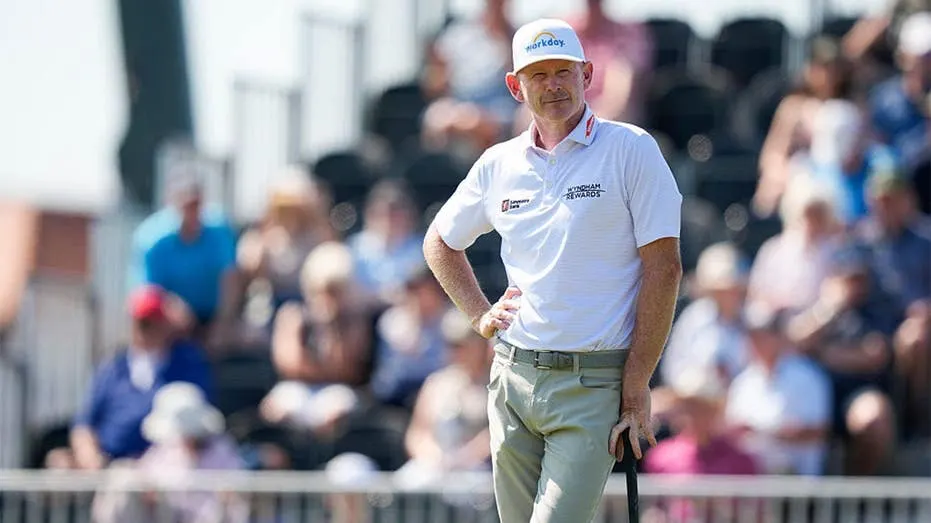
Brandt Snedeker, captain of the US team for the 2026 Presidents Cup, has pushed back against outside pressure to select younger players among his six captain's picks, defending his right to choose whichever golfers he believes give the team the best chance of winning. The tournament, held every two years and heavily dominated by the American side in recent editions, gives captains significant discretion over half the roster, and Snedeker's stance reflects a broader debate about balancing form, experience and star power when building a winning team.
The 2026 Presidents Cup begins in under 50 days at Medinah Country Club, where the United States will attempt to beat the Internationals for the eleventh consecutive time. Six of Snedeker's twelve players will qualify automatically, leaving him to make six further picks; commentators have argued he should prioritise younger talent, but Snedeker has resisted this, insisting the decision is his to make based on what he thinks will deliver victory rather than external expectations about age or profile.
- Snedeker defends control over Presidents Cup captain's picks.
- US team seeks 11th straight win over Internationals.
- Event starts at Medinah Country Club in under 50 days.
Both sides, in good faith
The strongest fair case each way — we don't pick a winner.
The case for
The case for prioritising younger players rests on both strategic succession planning and developmental logic. The Presidents Cup occurs every two years, and building experience for emerging talent is essential for long-term competitiveness; furthermore, external analysts may identify promising players worth integrating into the team. Given the US's consistent dominance, the tournament provides sufficient competitive margin to invest in younger prospects whilst maintaining winning chances.
The case against
A captain's fundamental obligation is to field the strongest possible team to win the match itself. Selecting based on merit—choosing whoever offers the best chance of victory—already incorporates player age as an irrelevant variable; what matters is form and capability, not birth date. The captain possesses insider knowledge of form, team dynamics and player readiness that external commentators lack, and second-guessing his discretion undermines his authority and creates uncertainty whilst he remains responsible for the results.