Politics news and discussion on TalkFuse.
Brooklyn man sues, saying he warned of cracks before deadly building collapse
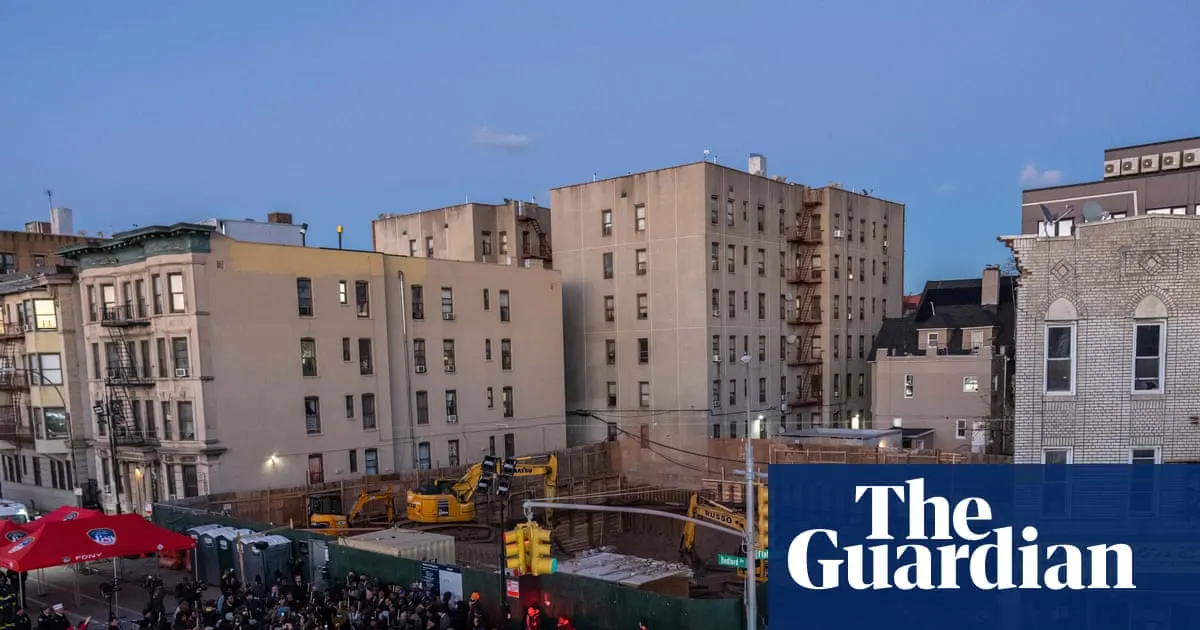
Dengane Omari Jack, a former tenant of a Brooklyn apartment building that collapsed on 11 November, has sued his landlord and construction firms. He says he reported visible cracks weeks before the collapse, which killed eight people, including two children, and injured several others; investigators are still examining what caused it.
Jack says he photographed cracks near the entrance in October and sent the images to his landlord, but was told the problem was not the landlord’s fault or could not be fixed. His lawsuit alleges the defendants failed to investigate or respond adequately to the reported damage and excavation next door. The 1930 building had 98 recorded housing violations since 1972, including 11 in the past year. Jack is seeking rent reimbursement, a replacement flat and further compensation; his decades-long music collection, which he valued at more than $100,000, was lost.
In short
- Former tenant says he reported cracks before the fatal collapse.
- Eight people died when the Brooklyn building fell on 11 November.
- The lawsuit seeks compensation and alleges failures to investigate or repair.
Steelman: both sides, in good faith
The strongest fair case each way — we don't pick a winner.
The case for
Jack’s account, if substantiated, supports the case that landlords and construction firms should act promptly on reports of visible structural damage, especially where excavation is taking place nearby. The building’s history of violations may strengthen calls for a thorough investigation and compensation for tenants who lost their homes and belongings.
The case against
A lawsuit and a tenant’s report do not by themselves establish what caused the collapse or who was responsible; investigators are still examining the evidence. The landlord and construction firms may argue that the cracks did not indicate an imminent danger, that they responded as reasonably as circumstances allowed, or that another factor caused the collapse, and that liability and compensation should be determined after those questions are resolved.