California dad of 5 says charter school rejected books that even mentioned God, ‘Publisher blacklist’
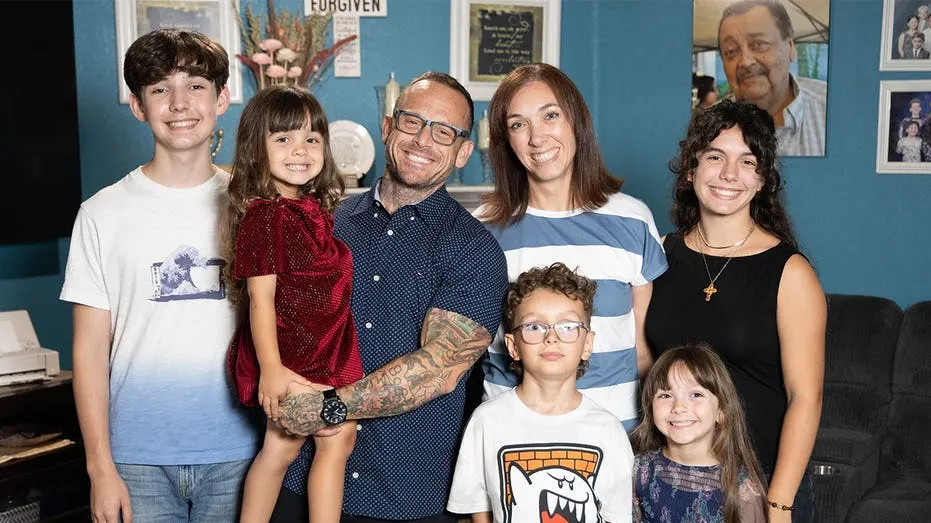
John Woolard, a California father of five, says his public charter school rejected homeschooling materials because they referred to God or faith, despite meeting state academic standards. He says the family had to pay for those resources themselves, and is seeking Supreme Court review of a lower-court decision.
Woolard says the restrictions also affected books about the religious beliefs of America’s Founding Fathers, and that school staff identified religious content as the objection. His lawyer, Stephanie Taub of First Liberty Institute, argues the policy excludes families seeking faith-based education from homeschooling benefits available to others. The Supreme Court is considering whether to hear the case; the state education department declined to comment on pending litigation.
In short
- A California father says faith-related homeschooling materials were rejected.
- He says his family paid for the materials themselves.
- The Supreme Court is considering whether to review the case.
Steelman: both sides, in good faith
The strongest fair case each way — we don't pick a winner.
The case for
Families who educate their children at home through a public charter should be able to choose academically suitable materials that reflect their religious beliefs, on the same terms as other families. If resources were rejected simply for mentioning God or faith, critics can argue that this burdens religious families and excludes relevant material, including accounts of the Founding Fathers’ beliefs, from an otherwise available educational benefit.
The case against
A public charter school may argue that publicly funded programmes must meet neutral educational criteria and avoid endorsing or financing religious instruction. It could contend that limits on religious content help preserve that distinction and apply consistently to all families, though the fairness of the policy depends on whether it excluded books solely because they were religious or under neutral curriculum rules.
Explained simply
California lets families educate children at home through public charter schools, which provide funding and support for approved learning materials. These schools must follow state academic standards, and their programmes are publicly funded.
John Woolard says his family’s charter school would not approve some materials because they referred to God or religious faith, including books about the beliefs of America’s Founding Fathers. His lawyer, Stephanie Taub of First Liberty Institute, argues that this kept families seeking faith-based education from using benefits available to other home educators.
The dispute raises questions about how public education funds can be used for religious learning materials. Woolard is asking the US Supreme Court to review a lower-court ruling; the state education department has declined to comment while the case is pending.