Cate Blanchett-Backed Group and Collection of Hollywood Stars File Brief in New York Times-OpenAI Lawsuit: Hollywood Has ‘Proven Infrastructure’ to License Content
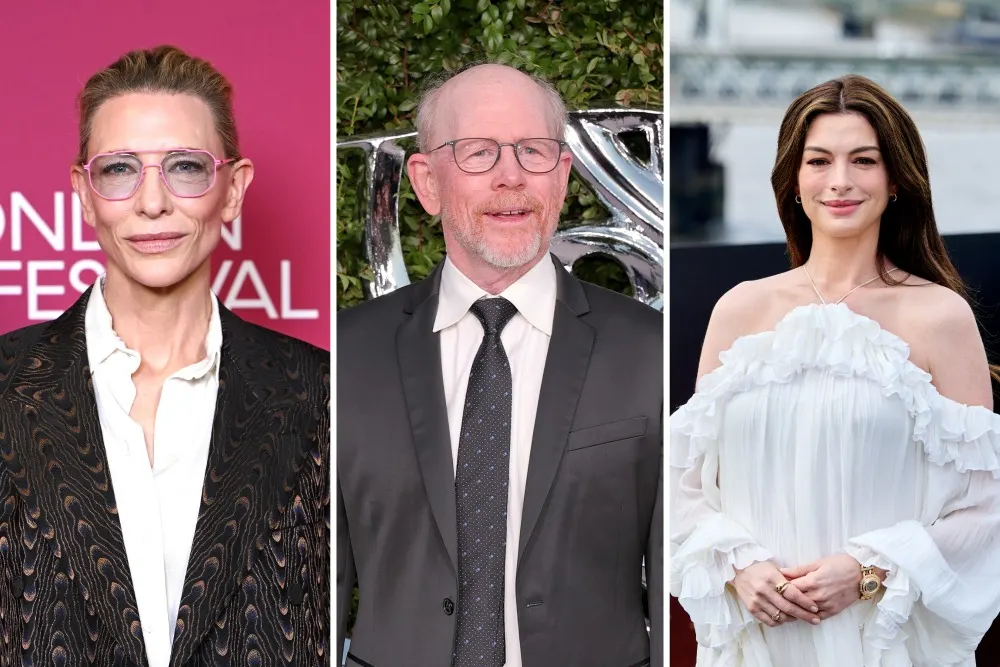
The Human Consent Foundation, a nonprofit backed by Cate Blanchett, and several Hollywood organisations have filed a court brief supporting The New York Times in its lawsuit against OpenAI and Microsoft. They argue that the companies’ claims that licensing creative works for AI training is too costly or difficult overlook existing systems for clearing rights, and say creators should have meaningful choices about whether their work is used.
The 31-page brief was filed in the Southern District of New York and joined by groups including CAA, the National Association of Voice Actors and the Music Artists Coalition. Its appendix lists supporters including Anne Hathaway, Emma Thompson, Madonna and Ron Howard. The filing followed a separate brief from SAG-AFTRA, the Writers Guild of America and the American Federation of Musicians, which argued that treating the companies’ use as fair use could undermine negotiated industry agreements.
In short
- Hollywood groups say licensing systems for creative works already exist.
- The brief backs The New York Times’ case against OpenAI and Microsoft.
- Unions warn a fair-use ruling could weaken negotiated agreements.
Steelman: both sides, in good faith
The strongest fair case each way — we don't pick a winner.
The case for
The groups argue that creative work has economic and personal value, so its use to train commercial AI systems should require meaningful permission and compensation. Existing rights-clearance systems in film, music and publishing show that licensing can be organised, and requiring it could support creators’ livelihoods while giving them a say in how their work is used.
The case against
OpenAI and Microsoft can argue that training models on large collections of material is technically and administratively different from licensing works for conventional media, making individual clearance costly or impractical. They may also contend that learning from publicly available works can be transformative and that broad fair-use protection supports research, competition and new tools, while negotiated licensing remains possible where it is workable.
Explained simply
The New York Times is suing OpenAI, which makes ChatGPT, and Microsoft over the use of its articles in developing AI systems. The case raises questions about when copyrighted material can be used without permission and whether AI companies should pay to use it.
The Human Consent Foundation and several entertainment groups have filed a brief supporting the Times. A court brief lets people or organisations not directly involved in a case set out arguments for the court to consider; it does not decide the outcome.
The groups say the entertainment industry already has ways to arrange permission and payment for creative work, and that creators should have a say in whether their work is used to train AI. The case matters to publishers, artists and technology companies because its outcome could affect how copyright rules apply to AI.
AI Americas Celebrity Entertainment Film Technology World