Chris Pratt’s Must-See $300 Million Sci-Fi Thriller Is Officially Leaving Netflix Next Week
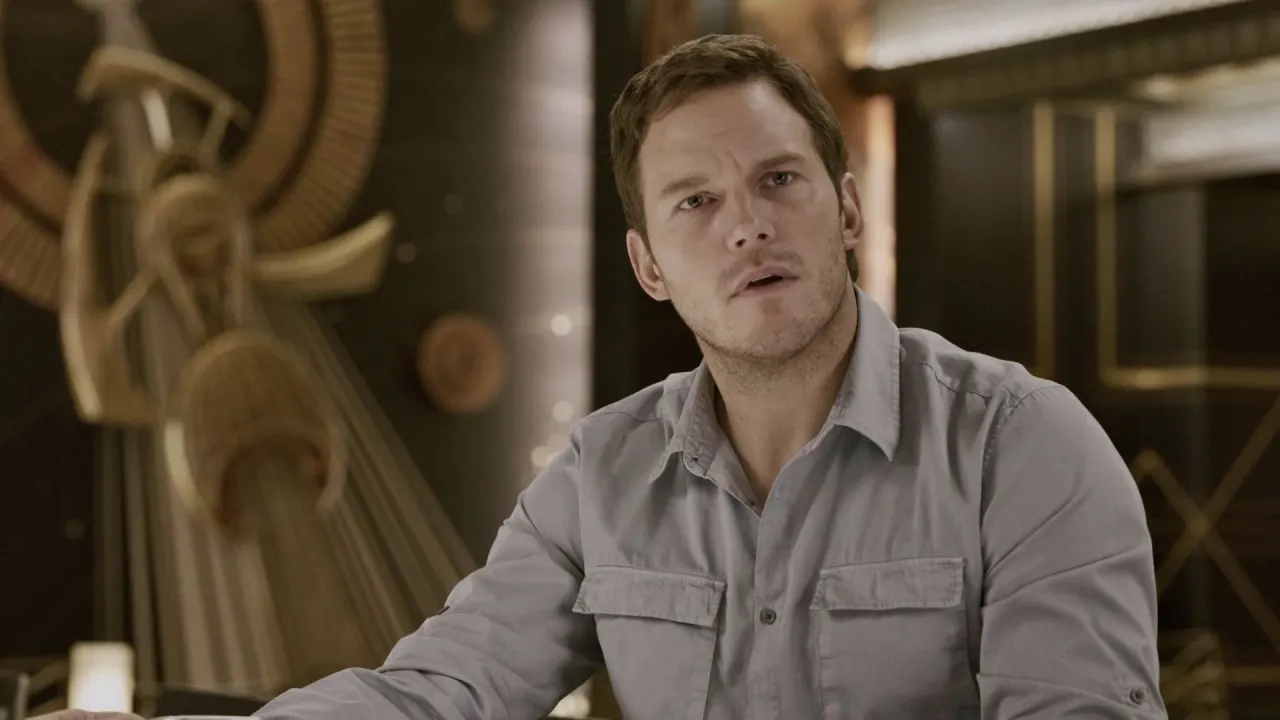
Passengers, the 2016 science-fiction thriller starring Chris Pratt and Jennifer Lawrence, is leaving Netflix on 31 August. The film remains notable for its divisive premise: a stranded passenger on a colony ship wakes another traveller decades too early, prompting debate over whether it is a tragic romance, a psychological horror story or both.
Set aboard the Avalon, the film follows 5,000 colonists and 258 crew travelling for 120 years to Homestead II. Jim Preston is awakened 90 years early after damage to the ship and, unable to return to hibernation, wakes writer Aurora Lane; the film earned more than $300 million worldwide on an estimated budget of roughly half that amount.
- Passengers leaves Netflix on 31 August.
- Its central premise remains highly controversial.
- The film grossed over $300 million worldwide.
New here? Start with this
Passengers is a 2016 science-fiction film set aboard the Avalon, a ship carrying 5,000 colonists and 258 crew on a 120-year journey to a distant planet called Homestead II. Most are asleep in hibernation for the trip.
After damage to the ship wakes engineer Jim Preston decades too early, he finds he cannot return to sleep. He later wakes writer Aurora Lane, leaving her to face the same interrupted journey. Their situation raises questions about choice and consent, and has led viewers to read the film as romance, psychological horror or a mix of both.
Chris Pratt and Jennifer Lawrence play Jim and Aurora. The film cost about $150 million to make and earned more than $300 million worldwide, while its premise continues to shape discussion of its story and characters.
Both sides, in good faith
The strongest fair case each way — we don't pick a winner.
The case for
The film can be read as a tragic romance about two people facing isolation and an impossible future, whose relationship develops under extraordinary pressure. Its science-fiction setting gives space to explore loneliness, survival and the human need for connection, while the ship’s damage and the consequences of waking early add suspense.
The case against
The film can also be read as psychological horror because Jim knowingly takes away Aurora’s choice to spend her life as planned, leaving her to face the same danger and isolation without informed consent. Framing their relationship as romance may soften the seriousness of that betrayal, making the story unsettling even if its ending gestures towards forgiveness.