‘Claude Strife’: DLSS 5 has escaped into the wild, and things are immediately weird
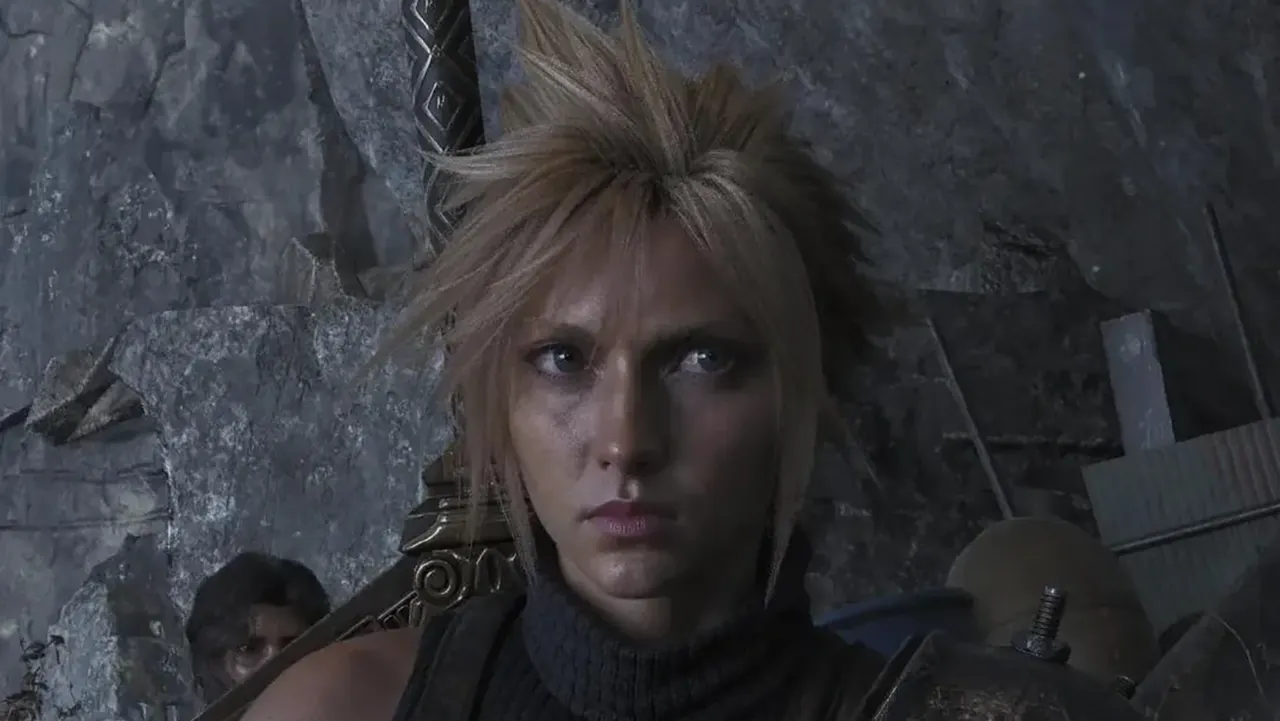
An unreleased version of Nvidia’s DLSS 5 has reportedly been used experimentally in existing games, producing striking but sometimes unsettling AI-generated visual changes. The tests matter because the technology appears to go beyond conventional upscaling, potentially altering a game’s artwork and character appearance rather than simply improving image quality.
Examples shared online include a Final Fantasy VII Rebirth image nicknamed “Claude Strife”, although its origin could not be verified after the apparent source post was deleted. Users have also tested the software in Hogwarts Legacy and Starfield: it can add texture and apparent realism to faces, but may age characters, exaggerate features and impose a recognisable generative-AI aesthetic. Reactions are divided, with some users valuing the extra detail and others objecting to the altered look.
- Experimental DLSS 5 use is changing game visuals, not just upscaling them.
- Tests can add realism but also distort or age characters.
- Online reactions range from enthusiasm to strong concern.
New here? Start with this
DLSS is a set of Nvidia technologies that uses graphics hardware and AI to make games look sharper or run more smoothly. Earlier versions mainly reconstructed images from lower-resolution frames; the reported tests suggest DLSS 5 may also change details in a game’s artwork, including how characters look.
Nvidia makes graphics cards and software used by many PC games, while game studios create each title’s visual style and characters. The examples mentioned involve Final Fantasy VII Rebirth, Hogwarts Legacy and Starfield, but the origin of the widely shared “Claude Strife” image has not been verified.
The issue matters because players and studios may differ over whether AI-added detail improves a game or changes its intended appearance. It also raises questions about how much control players should have over visual changes made by graphics software.
Both sides, in good faith
The strongest fair case each way — we don't pick a winner.
The case for
If DLSS 5 can add convincing detail and improve how older or less powerful hardware renders games, players may welcome it as an optional way to make familiar titles look sharper. Supporters could also see experimentation with image generation as a useful extension of graphics technology, provided players and developers can control its effects.
The case against
A graphics feature that changes character faces or the intended artwork may undermine the visual choices developers made, even when the result looks more realistic. Critics may also worry that a distinctive generative-AI look will make games feel less coherent, and that players could mistake altered images for the original work if the changes are not clearly optional.