Comey seeks to toss seashell ’86’ case, accusing Trump, DOJ of vindictive prosecution
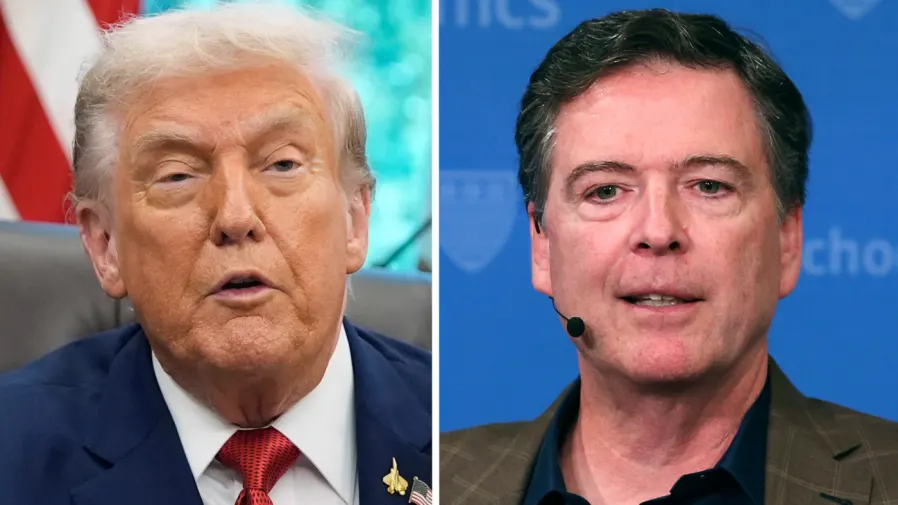
Former FBI director James Comey has asked a federal judge to dismiss charges alleging that an Instagram post showing seashells arranged as “86 47” threatened President Trump. His lawyers argue that the case is a selective and vindictive prosecution driven by Comey’s criticism of Trump, and that it impermissibly targets protected political speech.
The filing also alleges prosecutorial misconduct, including omitted or distorted facts in the investigation, and seeks access to grand-jury transcripts to examine how the indictment was obtained. Prosecutors say the image could reasonably be understood as a serious threat, while Comey has said he viewed the numbers as a political message and removed the post after learning some interpreted it differently.
In short
- Comey seeks dismissal of the seashell-threat charges.
- He alleges political retaliation and prosecutorial misconduct.
- Prosecutors maintain the post could constitute a threat.
Steelman: both sides, in good faith
The strongest fair case each way — we don't pick a winner.
The case for
The prosecution appears to exploit ambiguous language to punish political criticism. "86" is standard idiom for removal, making the post a reasonable political message rather than a credible threat. The timing and selectivity of charges—following Comey's prominent criticism of Trump—suggest vindictive motivation inconsistent with impartial justice. Comey's immediate removal of the post upon learning of the threatening interpretation demonstrates absence of malicious intent, and permitting such prosecution chills legitimate political speech.
The case against
Law enforcement has a statutory duty to investigate expressions reasonably construed as threatening the president. Whilst the numbers admit multiple interpretations, authorities must assess them in context and take potential threats seriously. Comey's prominence does not exempt him from laws protecting presidential security, and dismissal would create a troubling precedent suggesting some citizens are above such laws.
Explained simply
James Comey served as director of the FBI until his dismissal by President Trump in 2017. He has since become a prominent critic of Trump, publicly criticising his actions and statements. This background is important for understanding the case, as Comey's lawyers argue the charges against him are motivated by Trump's desire to punish political opponents rather than genuine law enforcement concerns.
Comey faces charges related to an Instagram post from 2024 showing seashells arranged in a way that prosecutors say resembled numbers that could be interpreted as threatening the President. Comey has said he intended the post as a political message and deleted it after realising some people were interpreting it as a threat. The core dispute centres on whether the image constitutes a serious threat or protected political expression.
The case raises significant questions about how the justice system should handle accusations of threat and whether prosecutors are selectively targeting individuals based on their political positions. Comey's defence argues that similar posts by other people were not pursued, and that the prosecution represents an abuse of government power to silence criticism. The outcome could affect how courts balance national security concerns against free speech protections in the digital age.