Business news and discussion on TalkFuse.
Cost of renting in Britain to rise twice as fast as buying amid shortage of properties
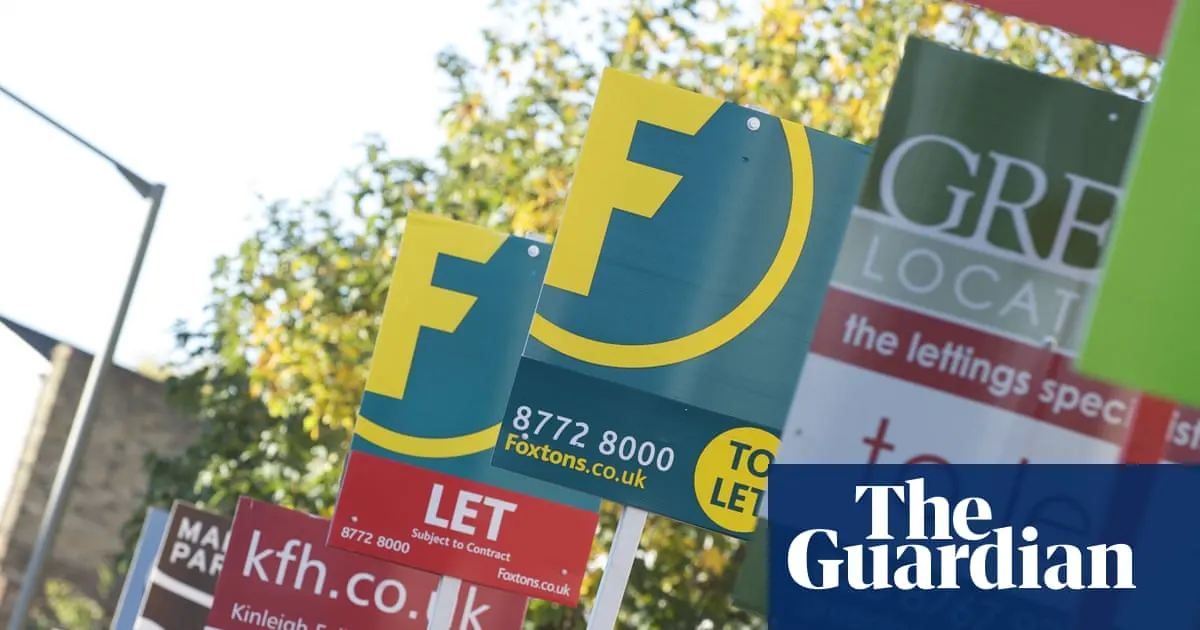
The cost of renting in Britain is forecast to rise about twice as quickly as house prices through 2029, as fewer homes to rent and sustained demand put pressure on tenants. The outlook highlights how landlords’ higher costs and tighter regulation are affecting supply, while people priced out of buying continue to seek rental homes.
Hamptons forecasts newly agreed rents will increase by 14.2% from 2026 to 2029, against 7.2% growth in house prices; annual rent growth is expected to peak at 4.5% in 2027. Rental property availability in October was 26% below its level a decade earlier, and 39% lower in London, while the number of people hoping to rent was up 10% year on year. Separate Lloyds research found monthly mortgage payments were lower than average rents in seven of 12 large UK cities outside London, with the greatest saving in Glasgow at £288 a month.
In short
- Rents are forecast to rise 14.2% by 2029, twice house price growth.
- Rental home availability has fallen 26% in a decade.
- Buying has lower monthly costs than renting in seven major cities.
Steelman: both sides, in good faith
The strongest fair case each way — we don't pick a winner.
The case for
The forecast points to a worsening affordability problem for tenants: rents are expected to rise faster than house prices while rental homes remain scarce and demand grows. Supporters of stronger tenant protections and tighter landlord regulation could argue that rules are needed to improve security and standards, and that the longer-term answer is to expand housing supply rather than rely on weaker protections to attract landlords.
The case against
Landlords and those concerned about rental supply could argue that higher costs and tighter regulation make letting less viable, encouraging some owners to sell and leaving fewer homes available. With many people unable to buy, they may contend that policy should avoid adding costs or burdens that feed through into rents, while supporting investment and new construction to increase supply.
Explained simply
Renting and buying are two ways of finding a home, but people who cannot afford a deposit or a mortgage often have to rent. Landlords provide homes for rent, and the number available depends partly on whether owning and letting a property is financially worthwhile for them.
When there are fewer rental homes than people looking for them, tenants may face more competition and higher rents. Landlords’ costs and rules governing rented homes can affect how many properties they offer, while higher housing costs can keep more people in the rental market.
House prices and rents affect households differently: buyers face deposits and mortgage payments, while renters pay rent to a landlord. Comparing the two helps show how the cost of housing varies between places and between renting and owning.