Cyclospora fears are sending shoppers to farmers markets for local produce
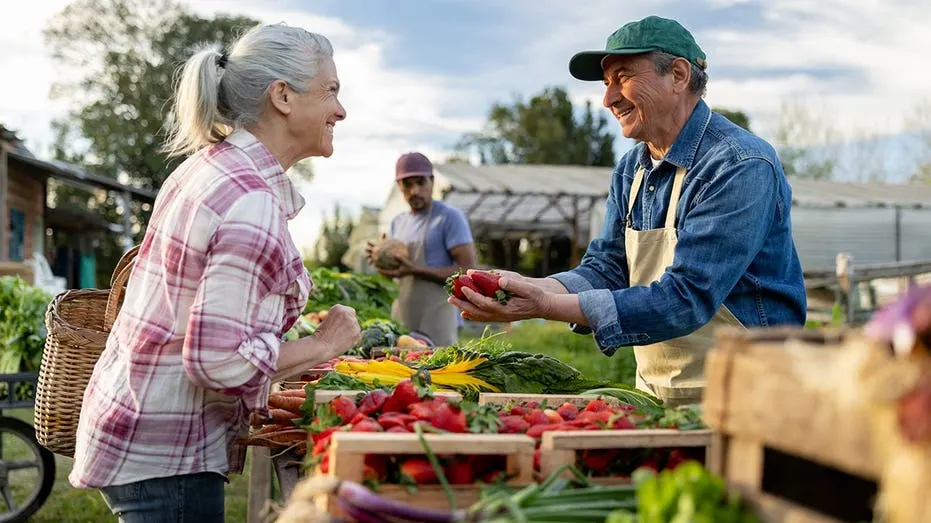
An outbreak of Cyclospora infections in the United States is prompting some shoppers to switch to farmers markets in search of locally grown produce they perceive as safer than supermarket alternatives. In Ohio, demand for homegrown lettuce has risen sharply, with vendors at some farmers markets reportedly selling out of greens within 30 to 60 minutes of opening.
The shift comes as health officials investigate multiple foodborne outbreaks linked to contaminated produce, including Cyclospora and separate Salmonella cases tied to imported jalapenos, which have been associated with hundreds of infections and several deaths nationwide. Medical experts have been urging consumers to understand symptoms and infection sources, while some fast-food chains have responded by offering lettuce-free menu options to reassure customers.
- Cyclospora outbreak pushes US shoppers towards farmers markets
- Ohio lettuce vendors selling out within an hour of opening
- Outbreaks linked to hundreds of infections and several deaths
Both sides, in good faith
The strongest fair case each way — we don't pick a winner.
The case for
Advocates of the shift to farmers markets argue that shorter, more transparent supply chains genuinely reduce contamination risk, since produce sold within days of harvest by a known local grower bypasses the extensive processing, packing, and multi-state distribution networks where cross-contamination is more likely to occur and harder to trace. They point out that shoppers can ask growers directly about irrigation water sources and handling practices, a level of accountability rarely possible with supermarket produce, and that supporting local agriculture also strengthens community food resilience during outbreaks. For many, this is simply prudent risk-avoidance grounded in traceability and trust rather than panic.
The case against
Others caution that this shift may offer more psychological comfort than genuine safety, since small farms and farmers markets are subject to far less rigorous testing, inspection, and traceability infrastructure than commercial suppliers, and past outbreaks have originated from local and organic produce too. They argue the sensible response to a Cyclospora or Salmonella scare is better regulation and testing across the whole food system, not a wholesale flight from supermarkets, and that encouraging shoppers to see farmers markets as inherently risk-free could paradoxically leave some consumers less vigilant about washing produce or checking recalls, whatever its source.