Daredevil dad who climbed notorious summit with his seven-year-old son hits back at child abuse claims over ‘dangerous’ stunt
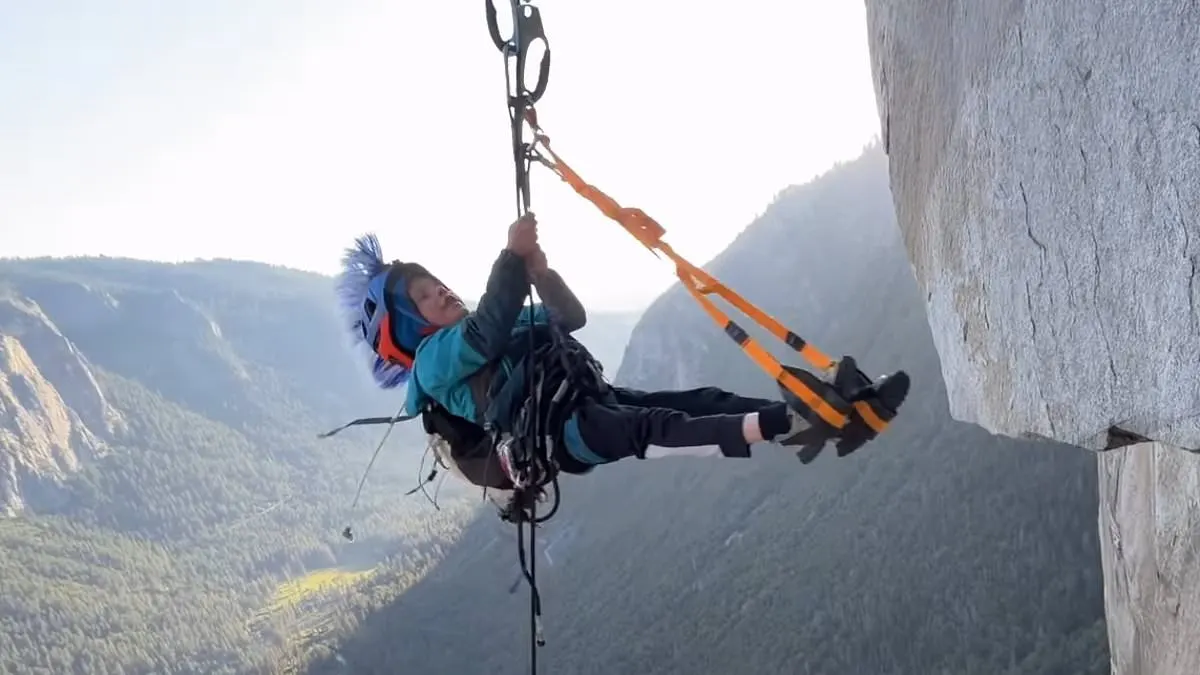
A Colorado father, Joe Evermore, faced backlash after his seven-year-old son climbed El Capitan in Yosemite National Park in May, making him the youngest person to summit the 3,000ft granite cliff. The online controversy prompted multiple complaints to Child Protective Services, which investigated but declined to pursue charges, sparking broader debate about appropriate levels of challenge for children.
Evermore defended the climb, explaining that his son was securely bolted to the wall and that the family had employed proper safety measures and training. The father, who is popular online for sharing his family's climbing adventures, argued that critics lack understanding of the sport and its genuine risks. His other three sons, aged one, nine and twelve, also participate in mountain climbing, and a fifth child is expected to join their adventures in the future.
- Seven-year-old climbed Yosemite's El Capitan with father, triggering CPS investigation.
- Father defends climb as safe, blames critics' lack of climbing knowledge.
- Family plans to continue climbing adventures with expected fifth child.
New here? Start with this
El Capitan is a 3,000-foot granite cliff in Yosemite National Park in California. In May, a seven-year-old boy climbed the entire wall with his father, Joe Evermore, making him the youngest person ever to reach the summit. The achievement drew significant public attention and sparked debate about child safety.
The climb prompted complaints to child protection authorities over concerns about the child's wellbeing. Child Protective Services investigated the matter but ultimately decided not to pursue any charges. The incident highlighted broader questions about how much risk and challenge is appropriate for young children.
Joe Evermore is known online for sharing his family's climbing adventures. He maintains that critics lack understanding of rock climbing and that proper safety measures, including secure bolting equipment, were used throughout the ascent. His other children, aged one, nine and twelve, also participate in climbing expeditions with the family.
Both sides, in good faith
The strongest fair case each way — we don't pick a winner.
The case for
Parental rights to raise children according to one's values include introducing them to meaningful physical challenges with proper safeguards; the father employed industry-standard safety equipment and training, CPS investigated and found no basis for charges, and structured risk-taking builds confidence, resilience and genuine competence in children. Dismissing such activities reflects unfamiliarity with modern climbing safety protocols rather than genuine endangerment.
The case against
Seven-year-olds lack the developmental capacity to meaningfully consent to extreme undertakings, and even robust safety equipment cannot eliminate all risk on one of the world's most challenging ascents. The activity may reflect parental ambition or social media incentives rather than the child's own authentic needs, and such pressure at a formative age carries psychological risks independent of physical safety.