Datura flashbacks at a Tunisian prog festival: When Gong’s instruments disappeared
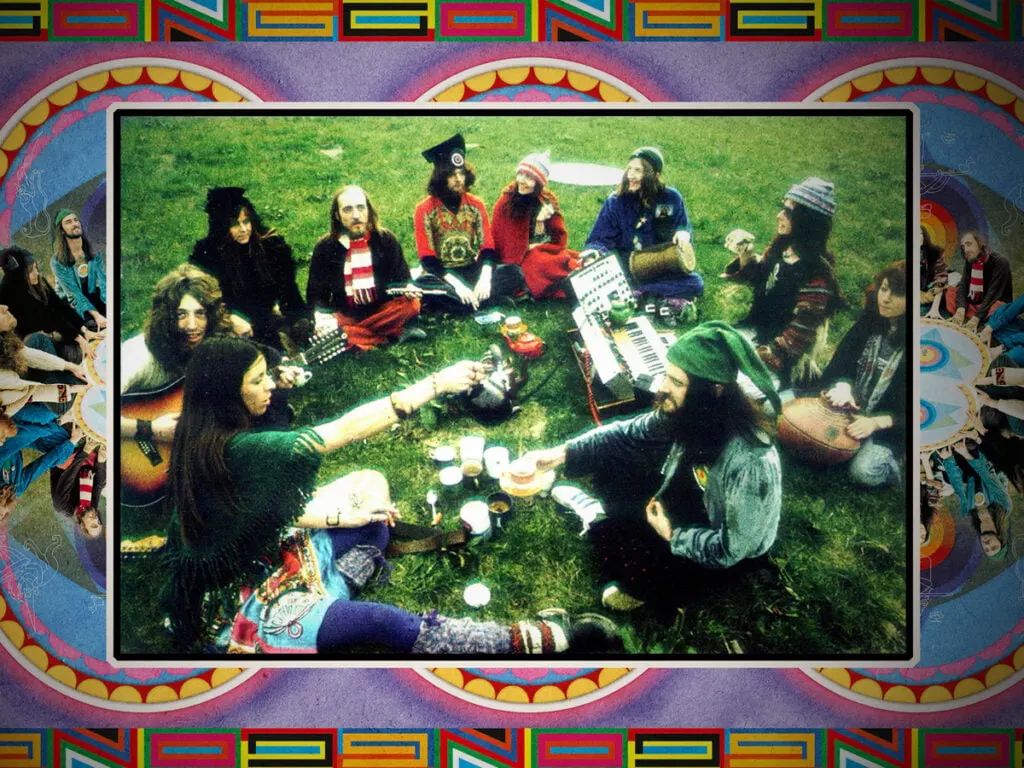
Gong’s June 1973 performance at a festival in Tunisia became linked in the band’s memories to a dangerous earlier experience with datura, a poisonous hallucinogenic plant. The story matters because it shows how the group’s psychedelic mythology and real-life drug experiences became intertwined.
The article traces Gong’s formation after Daevid Allen was barred from re-entering Britain in 1967, and the development of the band’s fantastical Radio Gnome Invisible world. By 1973, the group’s classic line-up included Allen, Gilli Smyth, Steve Hillage, Didier Malherbe, Mike Howlett, Pierre Moerlen and Tim Blake. Bassist Howlett recalled playing beneath an Arab moon in Tunisia; Allen’s datura-induced hallucinations, experienced weeks earlier, shaped the band’s memories of the trip, including the apparent disappearance of instruments.
- Gong played a festival in Tunisia in June 1973.
- Daevid Allen’s datura hallucinations haunted the band’s memories.
- Gong’s fantastical mythology grew alongside its psychedelic music.
New here? Start with this
Gong began taking shape in the late 1960s after its co-founder, Australian musician Daevid Allen, was refused re-entry to Britain. The band became known for mixing experimental rock with a playful imagined world called Radio Gnome Invisible, built around fantastical characters and stories.
By 1973, Gong’s line-up included Allen, singer Gilli Smyth, guitarist Steve Hillage and bassist Mike Howlett, alongside Didier Malherbe, Pierre Moerlen and Tim Blake. The group’s music and public image drew on psychedelic ideas, while its members also had real experiences with hallucinogenic drugs.
Datura is a poisonous plant that can cause severe confusion and hallucinations. Allen had a dangerous experience with it weeks before Gong played a festival in Tunisia, and that episode became entangled in the band’s later memories of the trip.