Politics news and discussion on TalkFuse.
Democratic socialist Janeese Lewis George wins D.C. mayoral election
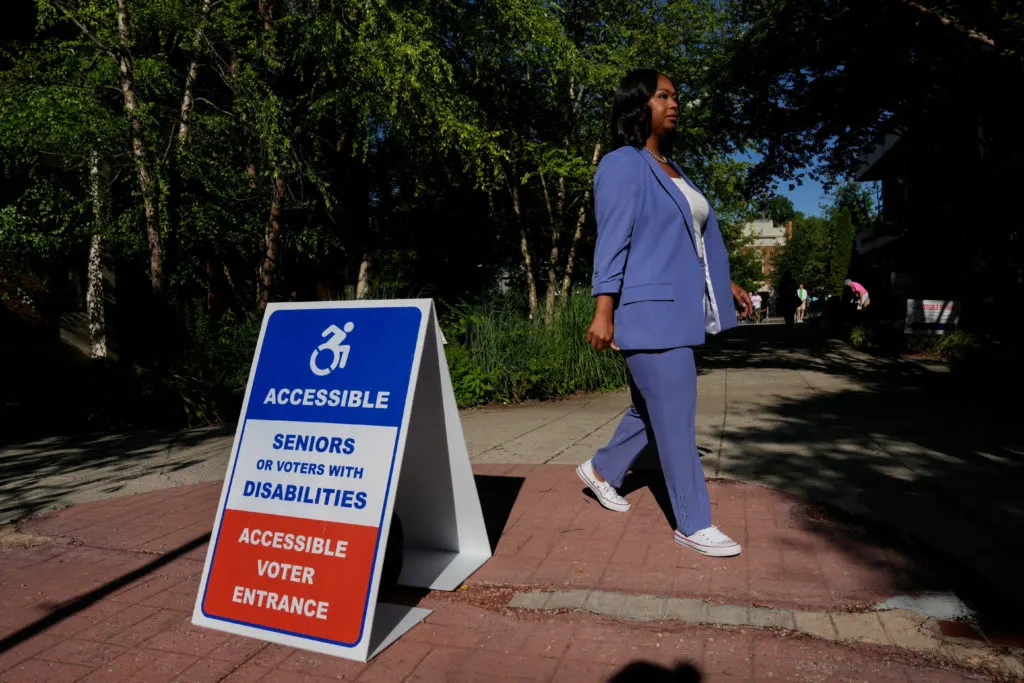
Janeese Lewis George has won Washington, D.C.’s mayoral election after securing the Democratic primary and facing little opposition in the general election. Her victory places her among a small group of democratic socialist mayors, and her term is likely to bring difficult negotiations with President Donald Trump over the city’s direction and local authority.
The 38-year-old former city councillor takes office on 2 January, becoming D.C.’s first new mayor in 12 years. She has named affordability as a priority in a city of nearly 700,000, while also pledging to work to keep residents safe and stand up to Trump. Congress retains extensive powers over the district under the 1973 Home Rule Act, and recently blocked the city from spending $1 billion of its own funds; the outcome of congressional elections could affect how much protection the city has from further federal intervention.
In short
- Janeese Lewis George won D.C.’s mayoral election with little general-election opposition.
- She takes office on 2 January, succeeding a mayor who served 12 years.
- Affordability and D.C.’s limited local authority are major challenges.
Steelman: both sides, in good faith
The strongest fair case each way — we don't pick a winner.
The case for
Supporters can argue that Lewis George’s democratic socialist approach offers a mandate to tackle affordability and public safety while giving residents a stronger voice in how their city is governed. They may see her willingness to defend local authority as important because Congress can override D.C. decisions and has already blocked the use of city funds.
The case against
Sceptics can argue that ambitious spending or policy changes may be difficult to deliver in a city whose budget and authority remain subject to congressional control. They may also question whether a confrontational stance towards the president will protect residents’ interests, or make cooperation on safety and affordability harder.
Explained simply
Washington, D.C. is the US capital, but it is not a state. Its residents elect a mayor and city council to run local services, while Congress retains powers to review or block some local decisions under a law passed in 1973.
Janeese Lewis George is a Democrat and a former member of the city council. She has made the cost of living and public safety priorities, issues that affect residents in a city of nearly 700,000 people.
The mayor’s role can bring the city into conflict with the federal government over who controls local decisions and spending. Congress has recently blocked D.C. from using $1 billion of its own funds, and its balance of power may shape the limits on the city’s authority.