Election guru warns of ‘Red Scream’ from Trump’s own voters that could cost him the election
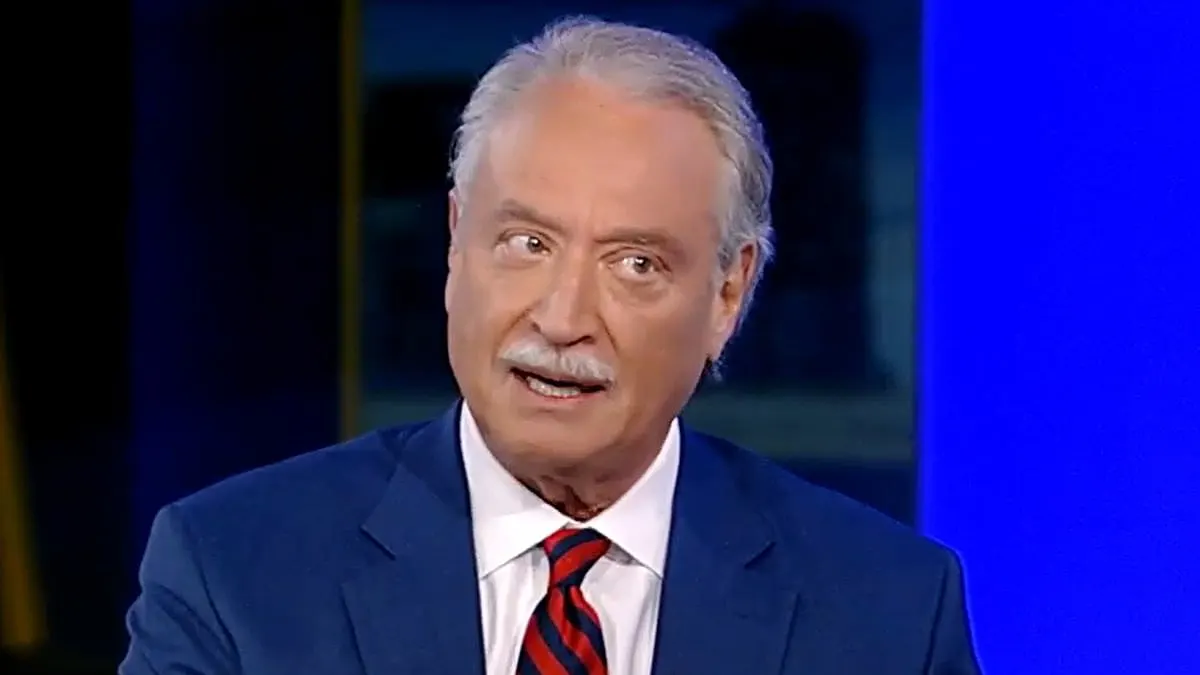
Republican strategist Alex Castellanos warns that the party could face a “Red Scream” in the midterm elections: frustrated Republican and independent voters, including some who backed Donald Trump, may stay home rather than switch to Democrats. That could hurt Republican candidates in close races, especially those Trump endorsed, as he campaigns to boost turnout.
Trump’s approval rating is reported at 40 per cent, and his disapproval is higher than his approval in nearly every battleground state. Seven Senate races are listed as toss-ups; Democrats need to flip four Republican-held seats to take control. In the states discussed, between 10 and 14 per cent of Republicans disapprove of Trump, including 14 per cent in Ohio and 13 per cent in Texas and Michigan.
In short
- Castellanos warns frustrated Republicans may not turn out.
- Trump’s endorsements could affect close Senate races.
- Democrats need four seat gains to control the Senate.
Steelman: both sides, in good faith
The strongest fair case each way — we don't pick a winner.
The case for
Castellanos’s warning is plausible because midterm results can hinge on turnout, especially in close races. If some Republican and independent voters who supported Trump feel disappointed and stay home, that could weaken Republican candidates even without those voters switching parties; Trump’s low approval and disapproval among some Republicans may be signs of that risk.
The case against
The warning may overstate how much dissatisfaction will translate into abstention: voters who disapprove of Trump may still turn out for Republican candidates or respond to his campaigning. The reported figures show disapproval, but do not establish that these voters will stay home, and turnout could be offset by strong Republican participation or other campaign dynamics.
Explained simply
Midterm elections take place halfway through a US president’s four-year term. Voters choose members of Congress, including all 435 seats in the House of Representatives and about a third of the Senate, as well as some state and local officials.
The Republican Party is Trump’s party, and he has backed candidates in several closely contested races. Senate control depends on winning enough seats: Democrats would need to gain four Republican-held seats to take a majority. Voters who stay home can affect these close contests just as much as voters who change parties.
The concern is that some Republicans and independents who supported Trump may be dissatisfied but still unwilling to vote for Democrats. If fewer of them turn out, Republican candidates could lose ground even where their supporters remain the larger group.