World news and discussion on TalkFuse.
Elon Musk’s explosive feud with South Africa’s president — a ‘woke’ warning for California
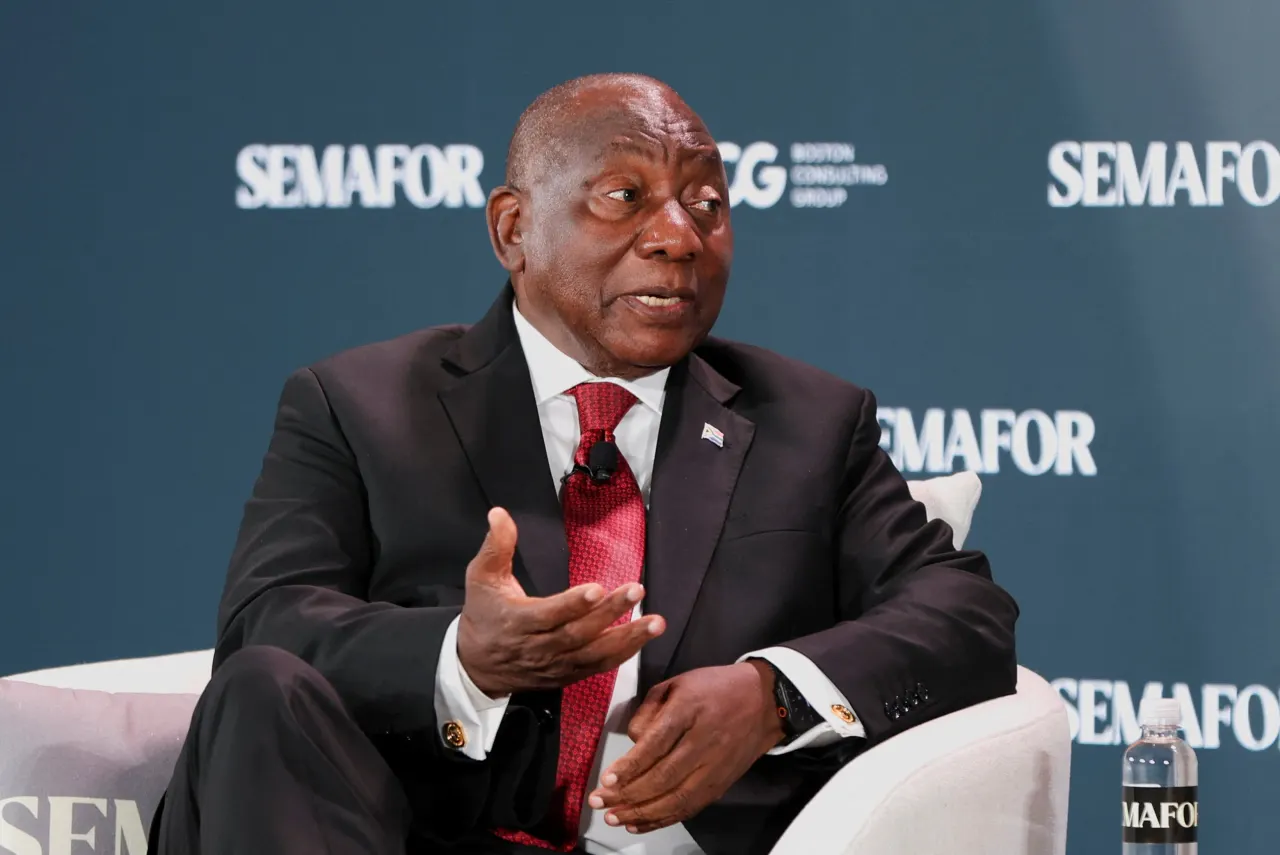
South African President Cyril Ramaphosa travelled to Silicon Valley seeking investment, but drew attention to Elon Musk by urging him to remain loyal to South Africa and invest there. The opinion article argues that Musk’s stalled effort to bring Starlink to the country reflects a conflict between attracting investment and South Africa’s racial ownership rules.
The article says Black Economic Empowerment policies require large companies to transfer significant equity to historically disadvantaged groups, a response to apartheid’s exclusion of black South Africans from ownership and opportunity. It argues these rules can deter investors, constrain growth and benefit politically connected shareholders; it cites South Africa’s economy shrinking by 0.3%. The piece presents the dispute as a warning about “woke” politics, though that framing and its claims are the author’s opinion.
In short
- Ramaphosa urged Musk to invest in his birthplace.
- The article links Starlink’s delay to ownership rules.
- It argues those policies may deter investment and growth.
Steelman: both sides, in good faith
The strongest fair case each way — we don't pick a winner.
The case for
Supporters of Black Economic Empowerment argue that apartheid left Black South Africans excluded from ownership and economic opportunity, and that formal equality alone cannot undo that legacy. Requiring companies to broaden ownership can help share the gains from investment and build a more inclusive economy; the rules can also be revised to address concerns about investment and who benefits.
The case against
Critics argue that equity-transfer requirements can raise the cost and uncertainty of investing, discouraging firms such as Starlink from entering the market and limiting growth or access to services. They also question whether politically connected beneficiaries capture too much of the benefit, and favour approaches that expand opportunity without making market entry depend on transferring ownership.
Explained simply
South Africa’s Black Economic Empowerment policies aim to address the lasting effects of apartheid, when black South Africans were excluded from much of the economy. They encourage or require businesses to share ownership and opportunities with people disadvantaged by that history.
Elon Musk, who was born in South Africa, leads companies including SpaceX, which operates Starlink, a satellite internet service. Bringing Starlink to South Africa has been complicated by the country’s ownership rules, which sit within a wider debate over how to attract investment while addressing past inequalities.
President Cyril Ramaphosa’s visit to Silicon Valley reflects South Africa’s interest in attracting technology investment. The article interprets the Musk dispute as a warning about “woke” politics, but that is the author’s opinion; the underlying debate concerns the costs and aims of policies designed to broaden economic participation.
Africa Government Politics World