Florida State releases top recruit after he gets hit with felony charges from 150 mph police chase
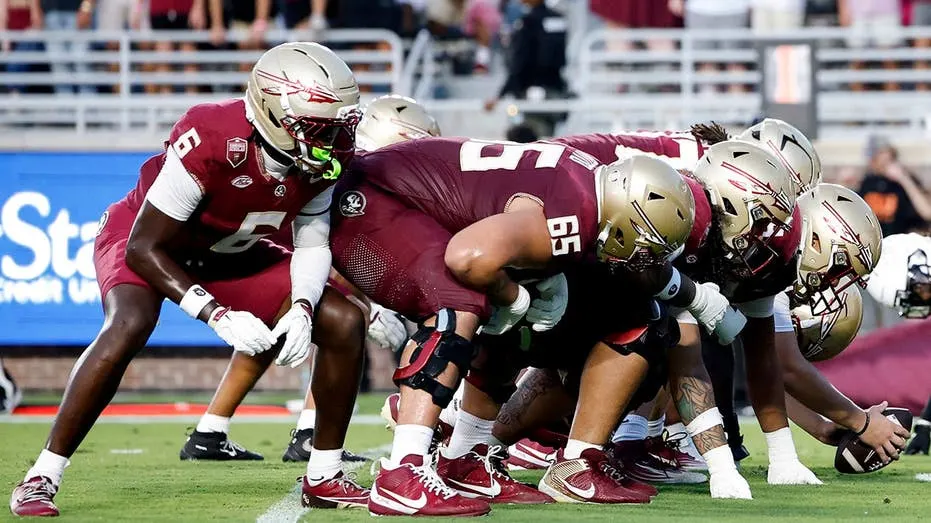
Florida State has released Chuck Kennon, its highest-ranked recruit in this year’s class, after his arrest on felony charges following a police pursuit in Tampa. The decision removes a highly rated player from the programme as the team faces a challenging season.
Police say Kennon was first clocked at 79 mph in a 50-mph zone early on Sunday, then drove at more than 150 mph during a chase. After his Dodge Durango got a flat tyre, he allegedly fled on foot; officers found a woman with arm lacerations, who said she had repeatedly asked him to get out of the vehicle. Kennon turned himself in on Monday and faces charges of aggravated fleeing to elude, false imprisonment and resisting an officer without violence. He was ranked sixth among cornerbacks and 51st overall in his class; Florida State is 3-3 and due to play unbeaten Miami, ranked No. 3.
- Florida State released recruit Chuck Kennon after his arrest.
- Police say a Tampa pursuit reached speeds above 150 mph.
- Kennon faces two felony charges and one misdemeanour.
New here? Start with this
College football recruits commit to a university before joining its team, often while still at school. Rankings compare players in each recruiting class, and cornerbacks are defensive players who try to stop opposing receivers from catching passes.
Florida State University’s team, known as the Seminoles, competes in the top tier of US college football. Its record and the standing of its opponents help show how its season is going; Miami is a long-standing rival, and games between the two Florida universities draw particular attention.
Both sides, in good faith
The strongest fair case each way — we don't pick a winner.
The case for
Florida State can reasonably argue that releasing Kennon reflects the seriousness of the allegations and its responsibility to protect people, uphold team standards and avoid appearing to excuse dangerous conduct. A highly rated recruit’s sporting value should not exempt him from consequences while the case proceeds.
The case against
The programme could reasonably have waited for more facts or a clearer legal process before ending its relationship with Kennon, since the charges are allegations and he is entitled to a fair hearing. Keeping him on the roster temporarily, with appropriate safeguards, might have avoided treating an arrest as proof while preserving a chance for a proportionate decision later.